 English
 Russian

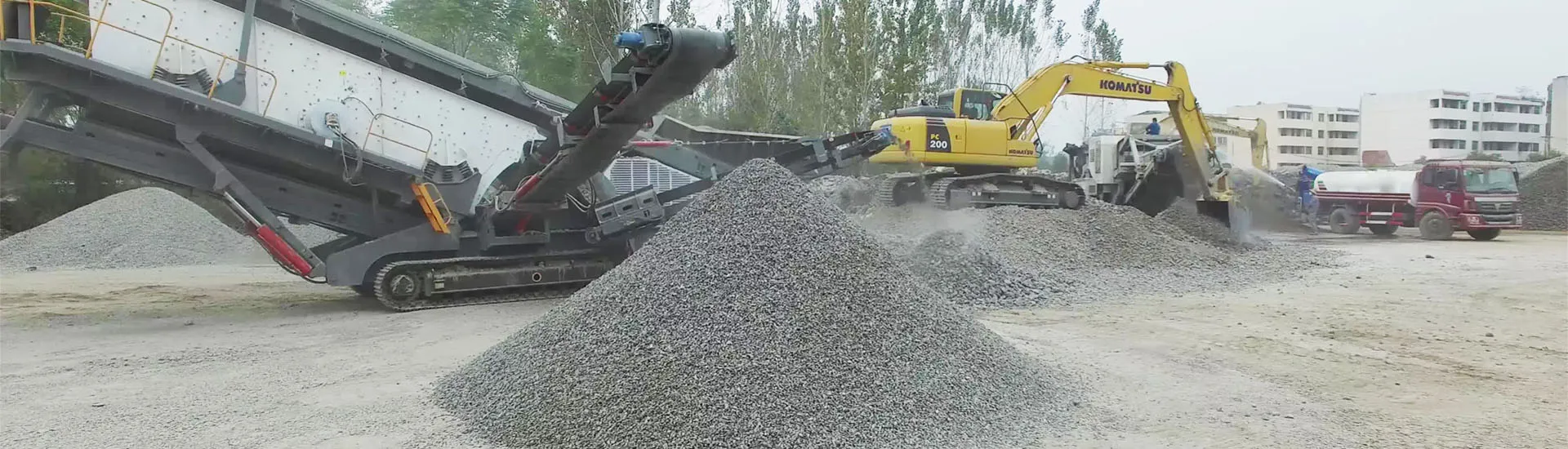
In modern mineral processing plants and sand-washing operations, wet tailings handling and ultrafine sand recovery face severe operational hurdles. High moisture content in final sand products leads to stockpile bleeding, truck transport leakage, and environmental compliance penalties. Meanwhile, unrecovered ultrafine particles (-75 μm) overload thickeners and blind downstream filter presses. The high-frequency dewatering screen serves as the frontline mechanical dewatering unit, but its operational availability is frequently crippled by a common nemesis: polyurethane screen panel blinding. Understanding the fluid dynamics, aperture geometry, and vibration mechanics is essential to achieving consistent 12%–15% cake moisture.

1. Mechanics of Aperture Blinding and Near-Size Particle Wedging
Dewatering screen panels operate under high dynamic acceleration (typically 4.5G to 6.0G) at frequencies ranging from 1,200 to 1,500 RPM. Blinding occurs through two distinct physical mechanisms:
- Near-Size Pegging: Irregularly shaped, angular mineral grains matching 90% to 110% of slot width become wedged into screen apertures. Under continuous compressive slurry flow, these pegged particles resist ejection, progressively shrinking the screen's effective open area.
- Surface Clay Coating: In clay-rich ore deposits, cohesive clay minerals adhere to the polyurethane web, trapping fine silts and forming an impermeable slime layer across the deck.
2. Anti-Blinding Engineering: Tapered Slotted Polyurethane and High-Flex Formulations
To eliminate manual cleaning downtime, Sanming Machinery implements precision-engineered modular screening decks featuring advanced polymer science:
- Downward-Flared Relief Taper: Conventional straight-walled apertures create friction drag that traps particles. Sanming Machinery dewatering panels feature an engineered 5° to 7° relief taper extending toward the underside. Once a particle passes the top aperture threshold, the expanding downward channel ensures zero mechanical resistance, allowing it to drop freely into the underflow hopper.
- Dual-Durometer Flexibility: Utilizing high-resilience cast polyurethane formulations (Shore 80A to 85A), the panel ribs flex dynamically under centrifugal vibration pulses. This continuous micro-flexing action dislodges stubborn near-size wedged grains without structural fatigue.
- Transverse Slot Orientation: Slotted apertures (typically 0.25 mm, 0.5 mm, or 0.8 mm) are aligned perpendicular to slurry flow direction. This orientation disrupts fluid laminar flow, accelerating free water detachment through capillary drainage while retaining solid sand grains.
3. Deck Geometry: The Uphill (Negative Inclination) Dewatering Principle
A critical engineering differentiator of Sanming Machinery dewatering screens is the negative deck inclination (uphill slope of +3° to +5°):
- Deep Bed Filter Cake Formation: Slurry discharged from hydrocyclones enters the low feed section at 45%–55% solids. Because the deck inclines upward toward the discharge weir, water drains rapidly backward while solids pool and build a porous, compacted bed of sand (filter cake).
- Autogenous Natural Filtration: The sand cake itself acts as a high-efficiency secondary filter medium, capturing sub-sieve micro-fines that would otherwise pass through bare 0.5 mm screen slots, boosting total solid recovery past 95%.
4. Targeted Technical FAQ: Dewatering Screen Operation
Q1: What is the optimal slurry feed solids concentration for a dewatering screen?
A: The optimal feed solids concentration should range between 45% and 60% by weight, typically supplied by the underflow of a hydrocyclone cluster. Feeding dilute slurry (<30% solids) directly onto the dewatering deck causes hydraulic flooding, washes fines into the sumps, and prevents stable filter cake formation.
Q2: Why do polyurethane screen panels wear out prematurely on the feed section?
A: Slurry drop impact from the feed box creates localized erosive gouging. High-wear zones should always be equipped with solid dead-bed feed plates or reinforced polyurethane panels without apertures to absorb kinetic energy before material transitions to the screening zone.
Q3: How can operators achieve less than 12% moisture in final sand discharge?
A: Ensure the screen operates at an acceleration of at least 5G, maintain a bed depth of 50 to 80 mm across the dewatering slope, and verify that polyurethane slots remain clean. Increasing deck uphill inclination by 1° increases retention time, further lowering discharged cake moisture.
Tailings Recovery and Sand Washing Solutions
Looking to lower final aggregate moisture, eliminate slurry pond accumulation, or recover valuable ultrafine minerals from washing tailings? Sanming Machinery designs heavy-duty high-frequency dewatering screens, modular polyurethane panel systems, and compact cyclone-screen recovery units.