 English
 Russian

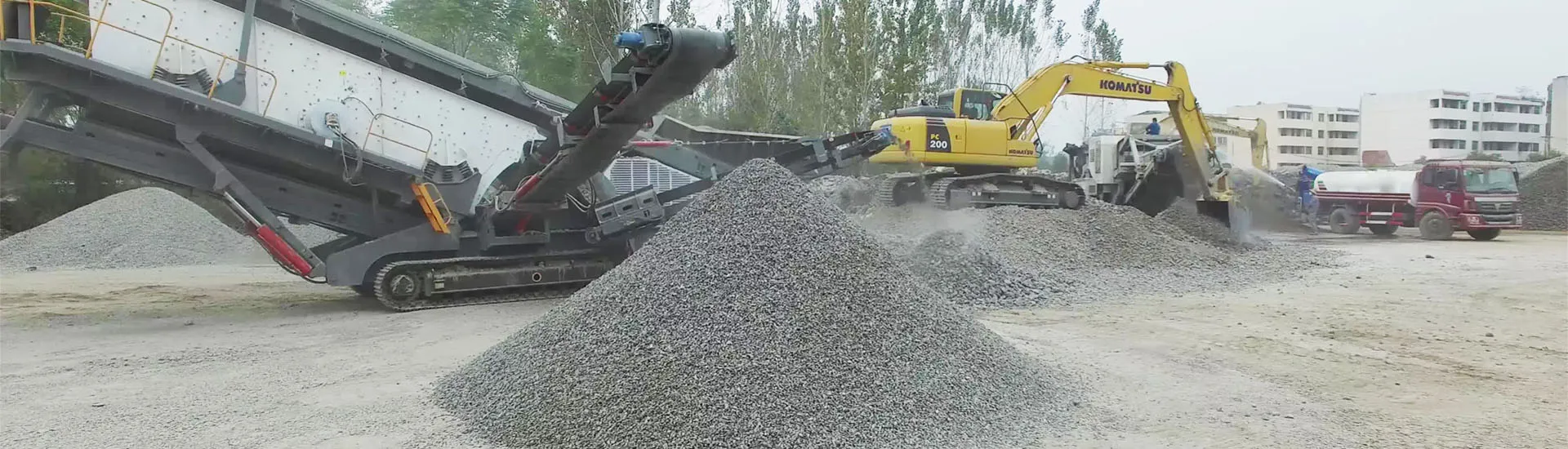
Primary jaw crushers operate in one of the most mechanically hostile environments in heavy industry. Subjected to massive cyclical shock loads exceeding several hundred metric tons and engulfed in clouds of highly abrasive airborne mineral dust, the main frame and pitman spherical roller bearings represent the single most expensive mechanical subassembly of the machine. Studies across global mining operations confirm that over 60% of premature jaw crusher bearing failures originate not from structural fatigue, but from solid particulate contamination and grease seal degradation. Implementing multi-stage labyrinth seals, taconite sealing arrangements, and continuous grease purging protocols is essential to prevent catastrophic bearing seizure.

1. Path of Contamination: How Micro-Abrasives Destroy Heavy Roller Bearings
Crusher pitman bearings rotate at relatively modest speeds (200–300 RPM) while enduring massive dynamic oscillating forces. Airborne silica quartz particles (-20 μm) possess an inherent hardness of 7 on the Mohs scale, significantly harder than hardened bearing steel (approx. 60–64 HRC). When fine quartz dust penetrates past a degraded rubber lip seal:
Three-Body Abrasive Lapping: Dust particles become suspended within the grease matrix, transforming high-grade lubricant into a cutting compound that rapidly polishes and grooves bearing raceways.
Micropitting and Spalling: Indentations created by trapped rock dust generate localized stress concentrations, initiating sub-surface micro-cracks that accelerate surface flaking and cage failure.
Grease Saponification and Hardening: Mineral dust absorbs free oil from the grease thickener, causing lubricant cakes to dry out and choking fresh grease distribution channels.
2. Seal Architecture: Multi-Stage Non-Contact Labyrinths vs Taconite Assemblies
To provide impenetrable barrier defense, Sanming Machinery equips heavy primary jaw crushers with multi-barrier sealing configurations:
Interlocking Non-Contact Steel Labyrinths: Frictionless, precision-machined steel labyrinth rings rotate with the eccentric shaft inside stationary bearing end-cover housings. The tortuous multi-channel pathway prevents particle ingress without generating frictional heat or mechanical wear.
Taconite Heavy-Duty Cartridge Seals: Originally developed for iron ore mines, taconite seals combine a precision-machined external grease-filled labyrinth, an internal V-ring elastomer seal, and an internal lip seal. This multi-barrier barrier effectively halts both wet slurry and dry abrasive dust.
Continuous Dynamic Grease Purging: Fresh grease is injected into the innermost labyrinth cavity through dedicated grease galleries. Because the fresh grease maintains slight positive internal pressure, it continuously purges outward through the labyrinth clearances, constantly expelling any dust particles attempting to migrate inward.
3. Lubrication Selection and Routine Maintenance Protocol
Proper grease selection is critical to sustaining barrier seals. Sanming Machinery engineering standards specify:
Lithium Complex with Extreme Pressure (EP) Additives: High-viscosity base oil (ISO VG 220 or 460) with solid lubricant additives (3%–5% MoS2 molybdenum disulfide) to withstand shock loads without film rupture.
Automated Progressive Metering: Installing centralized progressive lubrication systems guarantees small, frequent shots of fresh grease (e.g., every 15–20 minutes), ensuring labyrinth seals remain packed with fresh, pliable grease at all times.
4. Targeted Technical FAQ: Jaw Crusher Bearing Sealing
Q1: Why is grease leaking outward from the labyrinth seals during normal crusher operation?
A: External grease emergence from labyrinth gaps is actually an indicator of proper purging operation. As fresh grease is injected into the bearing cavity, old grease and accumulated dust must be forced outward. However, if grease flows out in excessive volume or smells scorched, check for bearing overheating or over-greasing.
Q2: What is the typical operating temperature threshold for jaw crusher pitman bearings?
A: Under steady-state ambient conditions, normal bearing operating temperature ranges between 55°C and 65°C. An alarm should trigger at 75°C, and automatic emergency shutdown must occur if bearing temperature reaches 80°C to prevent irreversible bearing cage destruction.
Q3: How often should bearing labyrinth seals be flushed and inspected?
A: In high-dust quarries, visually inspect grease purge collars daily. Every 1,000 operating hours, perform vibration spectral analysis to check for early bearing raceway indentations, and inspect seal clearance with a feeler gauge during scheduled jaw plate changeouts.
Primary Crushing Reliability and Bearing Protection Solutions
Experiencing frequent bearing failures or excessive downtime on primary jaw crushers in harsh quarry environments? Sanming Machinery engineers rugged jaw crushers featuring heavy forged eccentric shafts, premium spherical roller bearings, and multi-stage taconite labyrinth sealing systems.