 English
 Russian

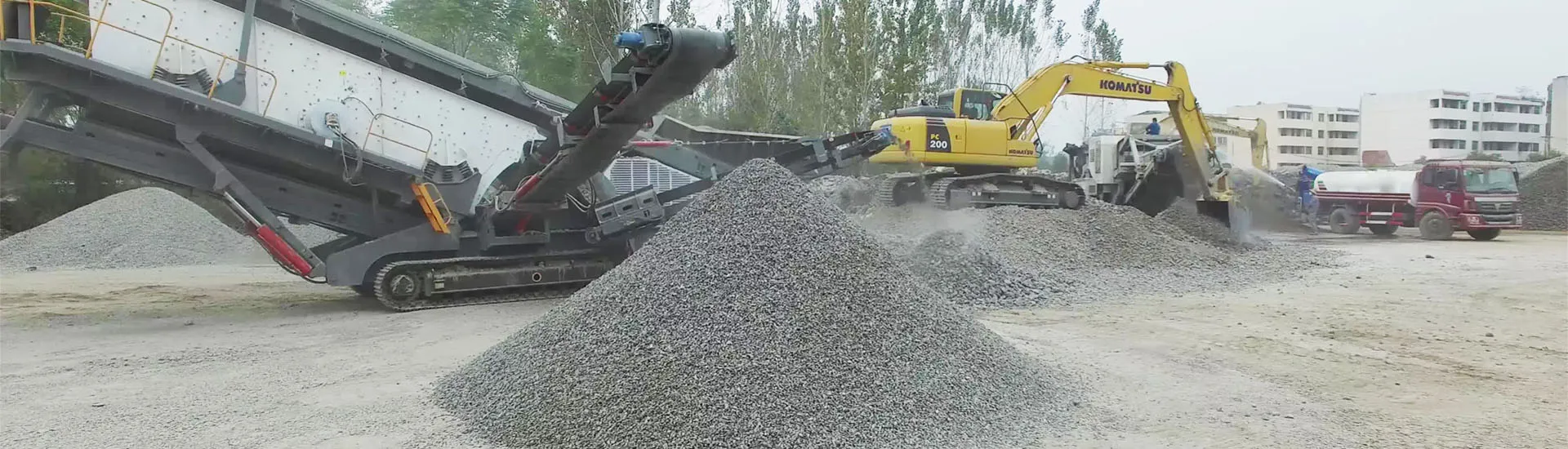
Pre-Concentration Economics: Crushing and Rejecting Barren Gangue Before Milling
In low-grade magnetite and banded iron formation (BIF) processing plants, grinding barren rock is the single largest waste of capital and electrical energy. Comminution typically represents over 50% of total concentrator energy consumption. Implementing dry magnetic separation (magnetic cobbing) directly within the secondary and tertiary crushing circuits enables operations to reject 15% to 35% of coarse barren host rock (at lump sizes between 10 mm and 45 mm) before the ore ever reaches expensive ball mills or wet separation stages.
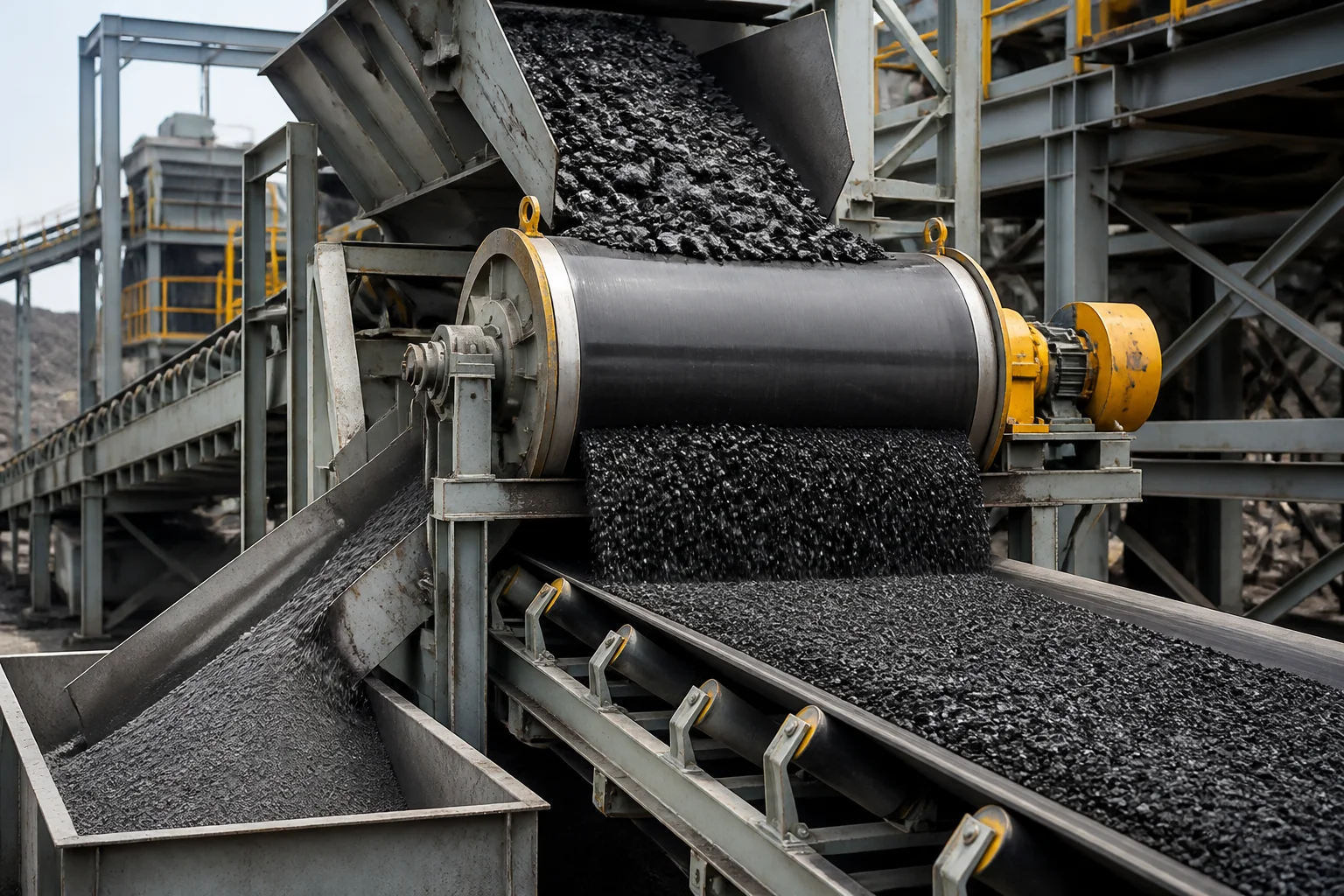
Sanming Machinery Dry Magnetic Cobbing Systems and Circuit Integration
High-Gradient Rare-Earth Permanent Magnetic Drums: Sanming integrates NdFeB (neodymium-iron-boron) magnetic systems generating magnetic field strengths between 1,500 Gauss and 3,500 Gauss at the drum surface, recovering fine disseminated magnetite while cleanly ejecting non-magnetic quartzite and schist gangue.
Closed-Circuit Multi-Stage Magnetic Pulleys: Installing magnetic head pulleys on conveyor discharge points ahead of tertiary cone crushers prevents unnecessary re-crushing of barren rock, reducing cone liner wear and increasing overall circuit crushing capacity.
Splitter Optimization and Velocity Control: Precise material feed presentation across high-frequency vibrating feeders ensures a thin mono-layer of crushed ore over the separator drum, preventing fine magnetite entrapping coarse silicate rocks in the reject trajectory.
Wear-Resistant Stainless Steel Drum Shells: High-velocity sharp iron ore rocks cause abrasive erosion on rotating shells. Sanming uses non-magnetic SUS304/SUS316 shells protected by replaceable polyurethane or ceramic wear wraps.
Tangible Operational Gains for Mining Operators
By upgrading the crushing circuit with Sanming dry magnetic cobbing, the effective iron grade feeding the grinding plant increases by 3% to 7% Fe, while tailings filtration and water management costs drop proportionately.
Technical FAQ: Dry Magnetic Separation in Crushing Plants
Q1: What particle size range yields the highest recovery in dry magnetic cobbing?
Dry magnetic separation is most efficient on crushed ore sized -40 +10 mm. Particles coarser than 50 mm risk mechanical entrapment and poor mineral liberation, while dry fines under 3 mm require specialized dust extraction and high-speed separator drums to avoid air turbulence losses.
Q2: How does moisture content affect dry magnetic separation efficiency?
Surface moisture above 3.5% causes fine ore particles to agglomerate and blind separator drum surfaces, dragging gangue into the concentrate. For damp ores, pre-screening or incorporating heated vibratory feed trays is essential to maintain clean magnetic recovery.