 English
 Russian

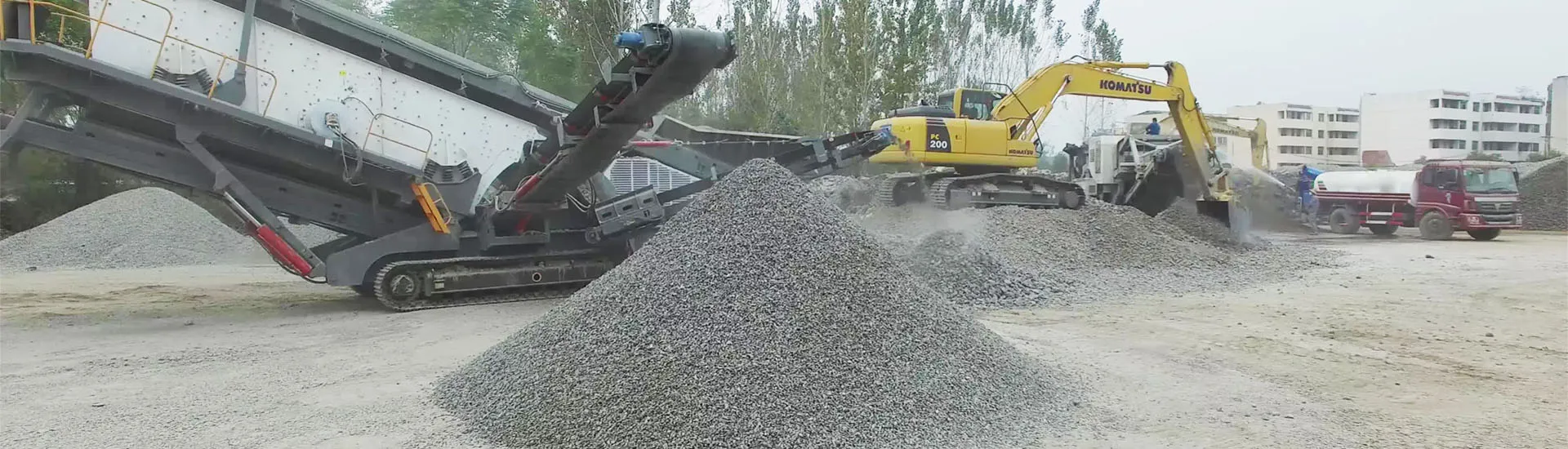
The Growing Role of Heavy-Duty Roller Crushers in Sand Making Plants
With global river sand extraction increasingly restricted under environmental legislation, high-specification manufactured sand (0–5 mm fine aggregate) has become the core revenue driver for quarry operators. While Vertical Shaft Impact (VSI) crushers excel in aggregate shaping, heavy-duty double roller crushers have established themselves as an indispensable, high-yield, low-power solution for fine crushing abrasive rocks (such as granite, quartzite, and river gravel) into continuous-gradation manufactured sand.
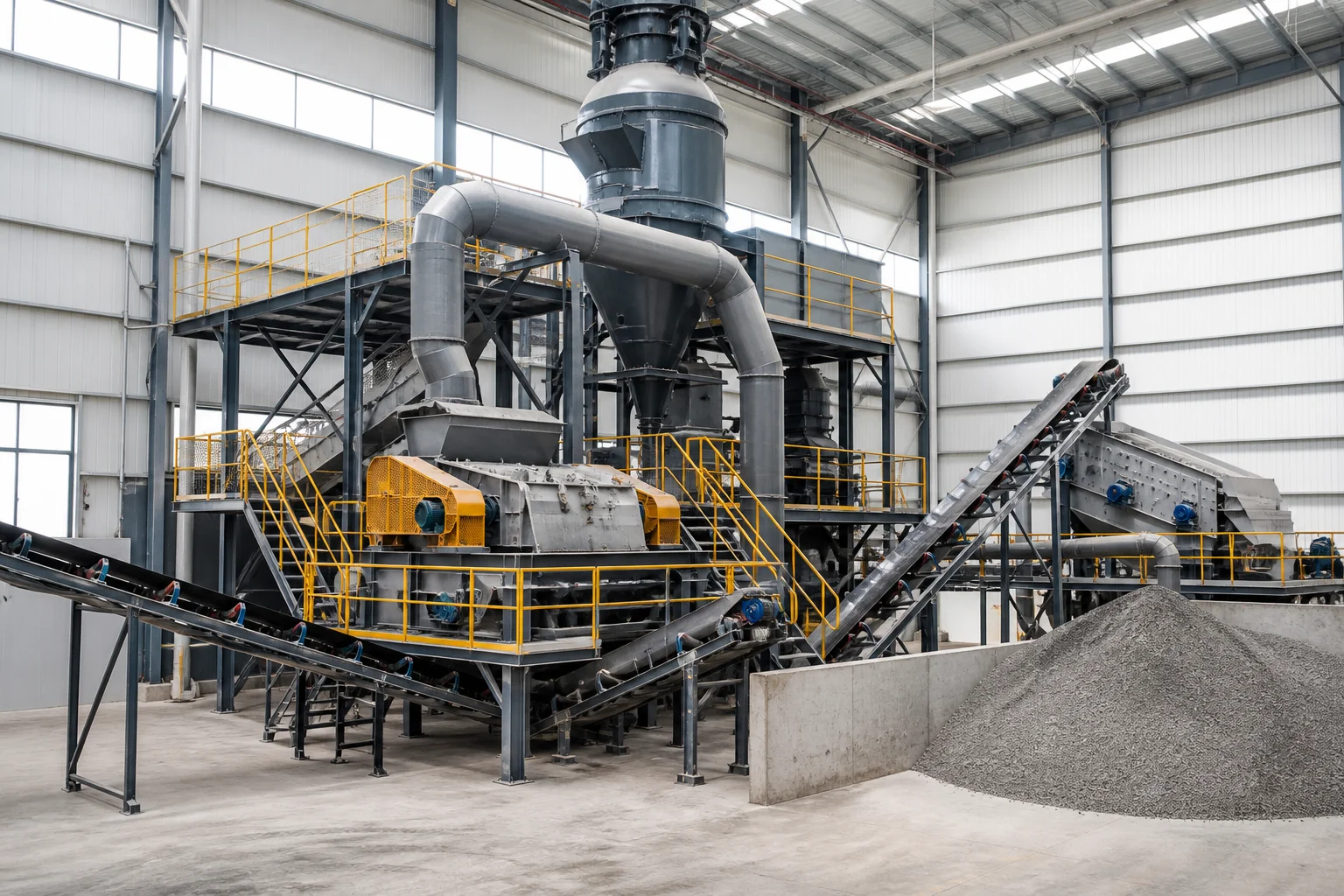
Key Engineering Principles for Roller Sand Making Efficiency
Precision Hydraulic Gap Adjustment: Maintaining a uniform gap between the rolls (typically set to 2 mm – 5 mm) is essential for consistent fineness modulus (FM). Sanming double roll crushers feature automated dual-cylinder hydraulic positioning with electronic shims, allowing operators to adjust the roll discharge gap in real time from the PLC screen.
Mitigating Grooving and Uneven Roll Shell Wear: In conventional roller crushers, feed material concentrated in the center causes concave groove wear, allowing oversized particles to pass through. Sanming integrates an automated axial traversing mechanism that continuously shifts the floating roll along its shaft by 10–20 mm, ensuring completely uniform wear across the entire roll surface.
High-Chromium Martensitic Alloy Shells: For abrasive quartz sands, Sanming rolls are cast from high-chromium multi-alloy white irons (Cr20–Cr26) achieving surface hardnesses of 60–64 HRC, doubling wear life compared to forged carbon steel shells.
Overload and Tramp Protection: Dual accumulator-backed hydraulic relief cylinders instantly retract the movable roll if uncrushable steel passes through, immediately resetting to the operational gap without stalling the electric motors.
Optimizing 0–5 mm Sand Gradation and Fines Control
Operating in closed circuit with high-frequency screening and air classification, Sanming double roller crushers generate manufactured sand with cubical particle morphology, a balanced continuous grading curve, and a controlled micro-fines (-0.075 mm) content below 7%.
Technical FAQ: Double Roller Crushers in Sand Making
Q1: What feed size is permissible for fine manufactured sand roller crushers?
For fine sand production (discharge setting 2–5 mm), the maximum feed size should not exceed 25 mm, with the optimal feed range being 5 mm to 15 mm. Larger feed pieces reduce crushing ratio efficiency and increase shock loads on the roller bearings.
Q2: How do you restore roll surface flatness after extended wear?
When roll surfaces develop minor ring grooves, Sanming crushers are equipped with an optional on-frame automated grinding or turning attachment. Operators can true up roll cylindrical geometry during scheduled maintenance without dismantling the roll assemblies from the machine frame.