 English
 Russian
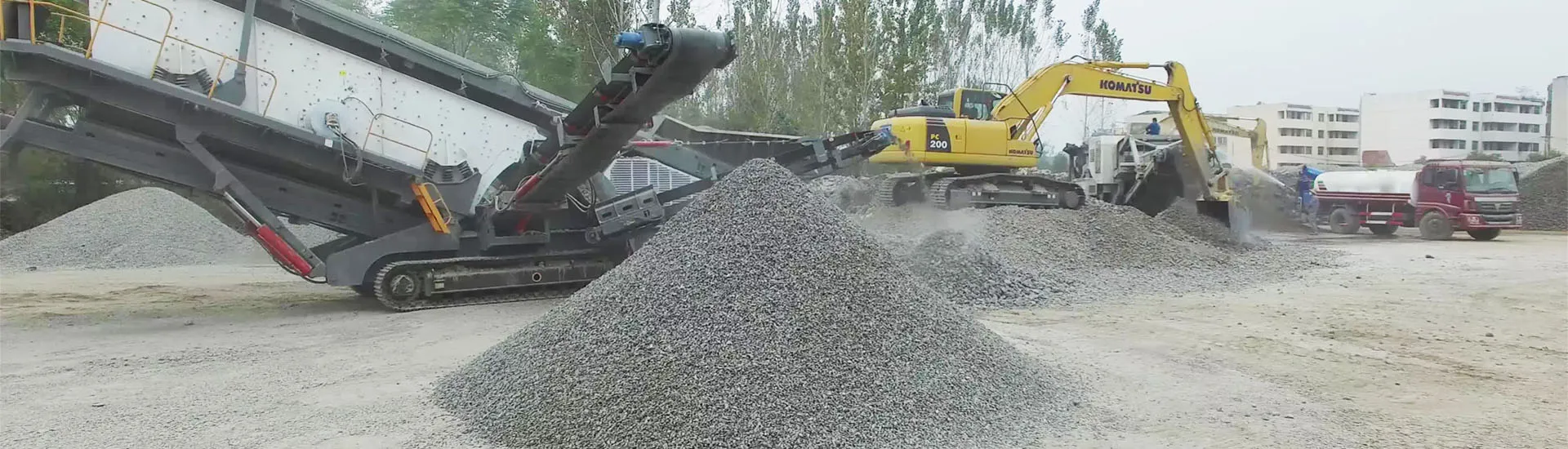
Primary crushing sets the benchmark for the entire mineral processing and aggregate production flow. In high-abrasion granite, basalt, and iron ore extraction, conventional primary crushers frequently encounter bridge-blocking and high wear rates on toggle plates. Next-generation European-style deep symmetrical crushing cavities combined with heavy cast steel frames now provide a 15–20% higher crushing ratio, handling feed lump sizes up to 1,200 mm while lowering specific maintenance intervals by up to 30%.
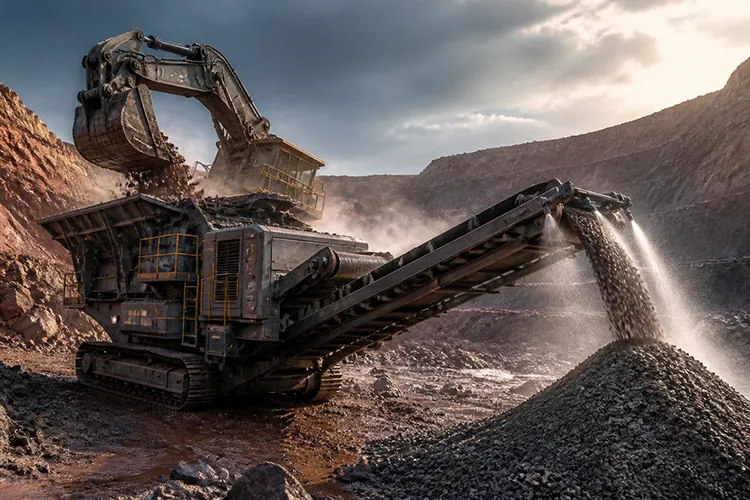
Core Engineering Innovations
1. Finite Element Analysis (FEA) Cast-Weld Frame Structure
Eliminating traditional single-plate welding stress concentrations, modular non-welded bolted side-plate configurations absorb extreme shock loads generated during the reduction of compressive strength rocks exceeding 320 MPa.
2. Heavy-Duty Forged Eccentric Shaft and Spherical Roller Bearings
Oversized self-aligning spherical roller bearings paired with integrated labyrinth seals prevent intrusive silica dust ingress, ensuring lubrication reliability under continuous 24/7 operating cycles.
Technical Comparison Matrix
Hard-Rock Application Benchmarks
In primary granite crushing circuits, deep-cavity jaw plates featuring tooth-peak-to-tooth-valley meshing achieve higher compression-splitting efficiency. This tooth profile reduces uncrushed flakiness at the primary stage, decreasing circulating load throughout secondary cone crushers and tertiary impactors.
Frequently Asked Questions (FAQ)
Q1: What makes deep-cavity jaw crushers superior for processing abrasive granite?
Deep crushing cavities increase stroke at the bottom discharge while ensuring consistent biting angles along the entire jaw chamber, preventing material slippage and accelerating throughput.
Q2: How does hydraulic wedge adjustment minimize downtime compared to mechanical shims?
Hydraulic wedge systems allow push-button discharge opening adjustments without disassembling mechanical tension rods, cutting adjustment time from hours to minutes.
Q3: How do operators maximize jaw liner wear life in silica-rich quarry sites?
Periodic jaw plate inversion, selecting high-manganese alloys (Mn18Cr2) tailored to rock compressive strength, and maintaining balanced choke-feeding prevent uneven localized abrasion.