 English
 Russian
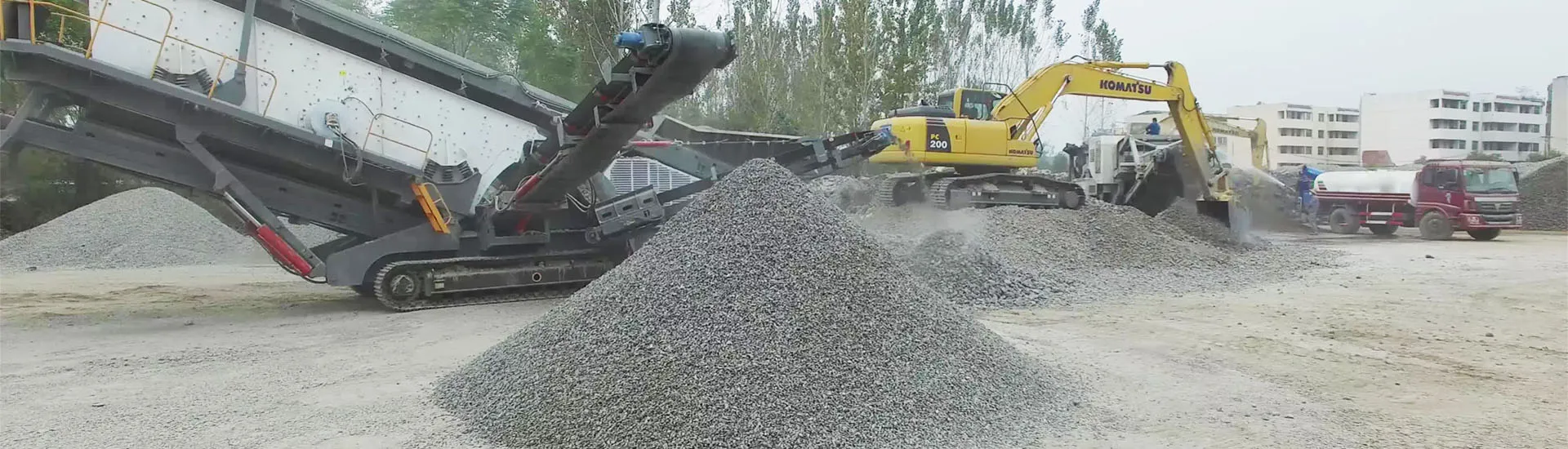
Modern mining operations and aggregate quarries face surging energy costs, stricter environmental standards, and the challenge of processing abrasive, low-grade ores. The industry is moving from brute-force mechanical reduction to intelligent, automated comminution circuits. Advanced multi-cylinder hydraulic cone crushers and variable-frequency drives now deliver up to 22% lower specific energy consumption (kWh/t) while boosting product cubical shape compliance to over 92%.
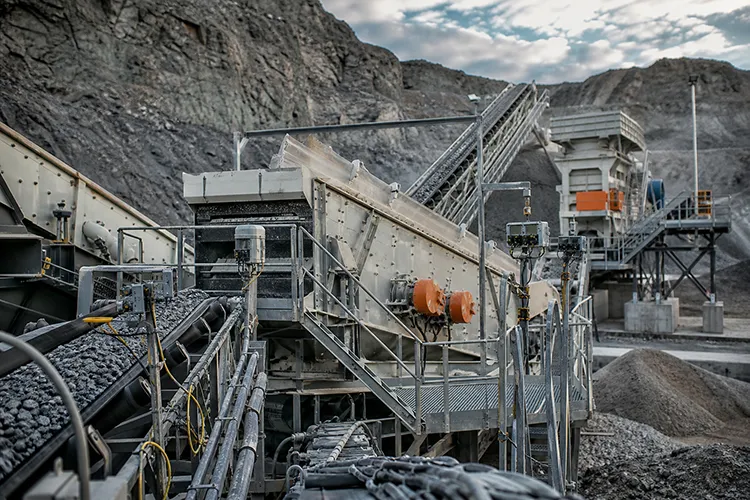
Key Technological Advancements
1. Multi-Cylinder Hydraulic Tramp Clearing & Overload Protection
Traditional spring crushers require extensive downtime when uncrushable tramp iron enters the chamber. Hydraulic release systems automatically dump foreign materials and reset opening settings under 45 seconds, protecting mechanical drivelines and bronze bushings.
2. Intelligent Automation & Real-Time Wear Compensation
Integrated PLC systems dynamically calibrate the closed side setting (CSS) during operation, compensating for liner wear and maintaining tight particle size distribution curves without manual intervention.
Operational Comparison Matrix
Application Scenarios: Granite, Basalt, and Hard Rock
For operations processing high-abrasion silica ores, manganese alloy liners combined with optimized crushing cavity geometry reduce liner consumption per ton by up to 18%, significantly lowering operating expenditure (OPEX).
Frequently Asked Questions (FAQ)
Q1: What is the primary benefit of hydraulic cone crushers over jaw crushers in secondary crushing?
Hydraulic cone crushers provide continuous 360-degree inter-particle crushing, yielding high reduction ratios with consistent cubical product shapes required for high-spec concrete and asphalt aggregates.
Q2: How does automated CSS adjustment impact total plant throughput?
By stabilizing output grading and preventing circuit overloading, automated CSS adjustment maximizes recirculating load efficiency, boosting overall plant throughput by 10% to 15%.
Q3: What maintenance protocol best prevents unexpected downtime?
Routine vibration telemetry, automated continuous lube oil temperature and pressure monitoring, and scheduled ultrasonic liner thickness checks ensure maximum mean time between failures (MTBF).