 English
 Russian

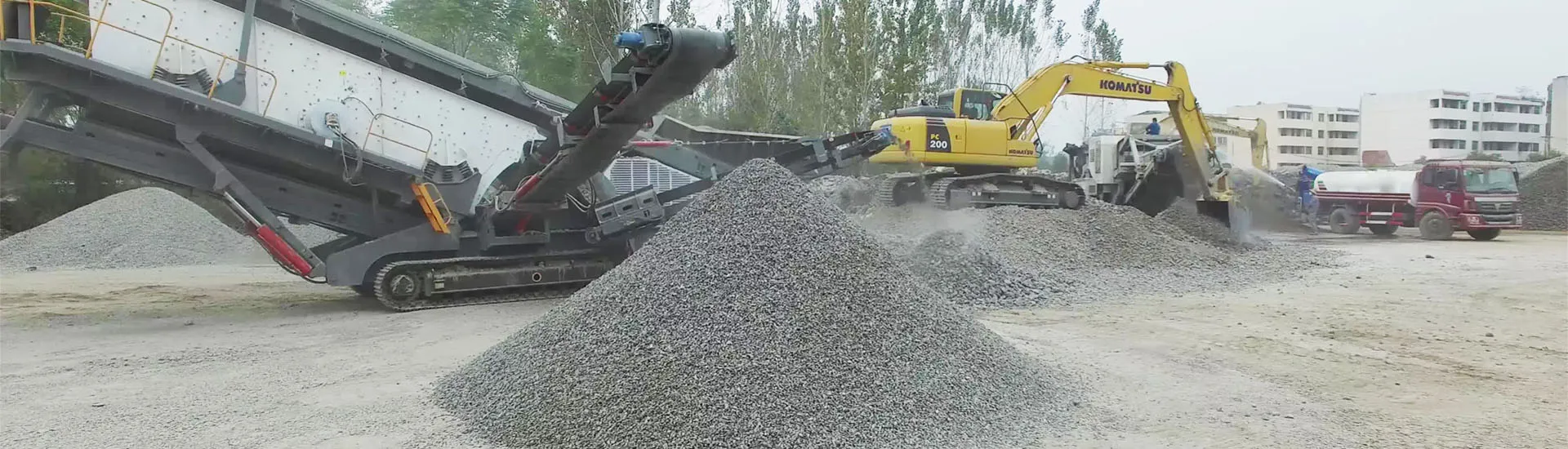
Unexpected blockage of a primary jaw or gyratory crusher halts the entire mineral processing plant or aggregate quarry, creating immediate financial losses running into thousands of dollars per hour. In hard-rock quarrying and open-pit mining, blockages occur primarily through two physical phenomena: geometric interlocking of oversized blasted boulders across the feed opening (known as boulder bridging or slab nesting), and compacted plastic clogging caused by damp clayey fines packing into the discharge zone. Achieving zero unplanned blockage downtime demands a systematic engineering approach integrating feed classification, blast fragmentation control, and automated mechanical clearing.

Root Cause Analysis: Why Primary Chambers Bridging Occurs
Blaming excavator operators alone ignores the underlying kinematic and geometrical dynamics of rock comminution. Sanming Machinery quarry audit engineers categorize bridging into three primary root causes:
Blast Fragmentation Oversize Violation: The empirical engineering rule for jaw crushers dictates that maximum feed lump size (F80) must never exceed 80% to 85% of the gape dimension ($B$). When blast muckpiles produce elongated slabs where length exceeds $1.3 imes B$, two or three slabs inevitably rotate into an inverted arch above the nip angle, completely arresting gravity feed.
Clay Pack and Fine Material Cushioning: Damp, sticky overburden fines (<40 mm) entering the jaw chamber under wet weather compress into impenetrable mud cakes between the corrugations of the lower jaw dies. This reduces effective cavity volume and prevents crushed rocks from discharging freely.
Unsynchronized Feeder Discharge: Surging haul trucks dumping directly onto high-speed feeders flood the crusher mouth without allowing rocks time to align lengthwise, forcing multi-point boulder collisions at the throat.
Preventive Engineering: Heavy-Duty Vibrating Grizzly Feeders (VGF)
The most cost-effective solution to blockage is preventing uncrushable fines and oversized slabs from entering the crushing chamber simultaneously. Pairing primary crushers with Sanming Machinery heavy vibrating grizzly feeders delivers dual-action protection:
Pre-Screening Scalping Efficiency: Stepped, tapered alloy grizzly bars allow natural undersize dirt and quarry fines to bypass the primary crusher entirely. Diverting non-crushable fines directly onto the main discharge conveyor eliminates lower-chamber packing and increases crushing capacity by 15% to 25%.
Stepped Cascade Alignment: Multi-tier cascading drop steps tumble incoming blasted rock, rotating elongated slabs so they feed longitudinally into the jaw mouth rather than bridging horizontally across the feed opening.
Safe Clearing Technology: Stationary Hydraulic Rock Breaker Booms
Traditional hazardous clearing practices—such as operators climbing into the jaw mouth with sledgehammers, attaching excavator bucket chains, or detonating secondary explosive charges—are strictly prohibited by modern mining safety codes. Sanming Machinery integrates pedestal-mounted stationary hydraulic rock breaker systems:
Remote Radio-Control Cabin Operation: Operators manipulate the multi-joint articulated boom directly from the air-conditioned control cabin, eliminating all operator exposure to pinch points and fly-rock hazards.
High-Energy Percussive Impact: The high-frequency hydraulic hammer fractures bridged 1.5-meter boulders into crushable pieces within 30 to 60 seconds, restoring continuous feed without shutting down the crusher motor.
Automated Chamber Clearing Cycles: Hydraulic power units integrated with crusher PLC interlocks immediately halt the upstream feeder upon cavity obstruction, preventing overburden pileup while the breaker clears the throat.
Frequently Asked Questions (FAQ)
What is the safe rule of thumb for maximum primary crusher feed size?
For jaw crushers, the maximum rock dimension should never exceed 80% of the feed opening gape (width). For gyratory crushers, feed size should not exceed 85% of the mantle-to-concave opening to prevent rim bridging.
How can an operation prevent sticky clay compaction in wet seasons?
Install a vibrating grizzly feeder with dynamic stepped bars to scalp out -50 mm clayey fines prior to the crusher. Additionally, ensure jaw dies with wide, deep corrugations are selected to facilitate material flow under wet conditions.
Can a blocked jaw crusher be restarted under full rock load?
Starting under full load can burn drive motors, stretch V-belts, or crack the eccentric shaft. Always clear bridged boulders or use a hydraulic chamber release system to relieve crushing cavity pressure before re-engaging the drive.
Looking to Eliminate Crushing Circuit Downtime?
Sanming Machinery designs integrated crushing and screening stations featuring high-capacity vibrating grizzly feeders, automated hydraulic relief jaw crushers, and heavy-duty rock breaker booms. Contact our technical engineering team for comprehensive plant audits and custom flowsheets.