 English
 Russian

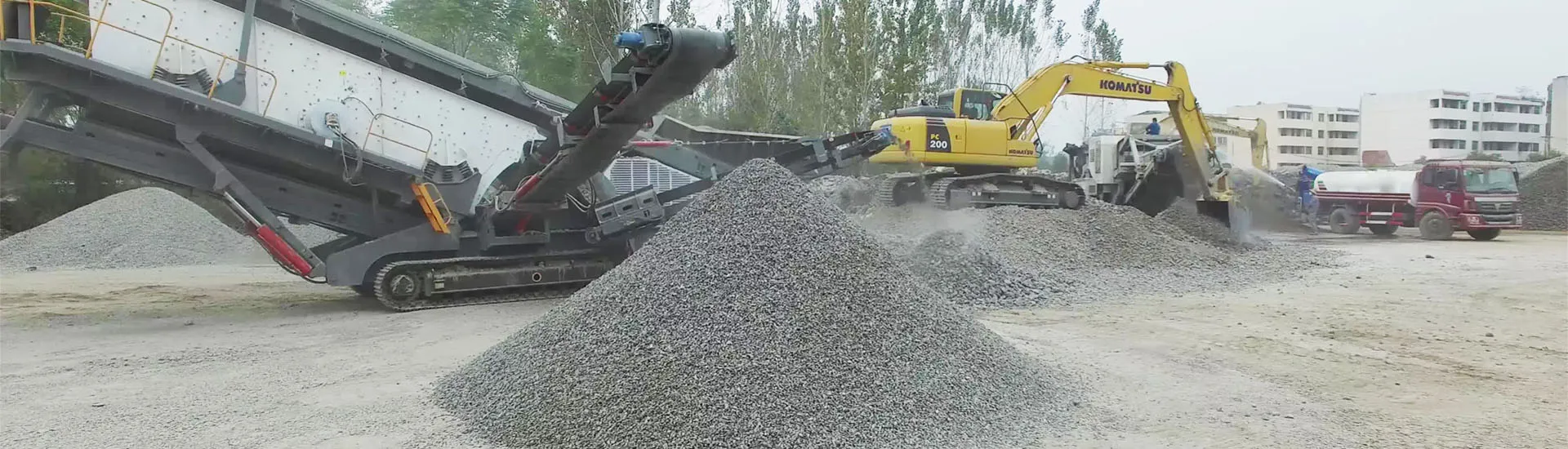
Global Tailings Dam Safety Mandates Driving Dry Stacking Adoption
In the wake of stricter international tailings safety standards (GISTM) and stringent environmental regulations governing wet tailings storage facilities (TSFs), iron ore beneficiation plants worldwide are rapidly retrofitting wet slurry dams with dry stacking circuits. Conventional wet tailings disposal presents severe dam break liabilities, excessive freshwater consumption, and catastrophic footprint expansion. Dry stacking converts low-density tailings slurry into a mechanically dewatered, structurally stable cake (moisture < 15%), enabling safe dry land disposal and recycling over 90% of process water directly back to grinding circuits.
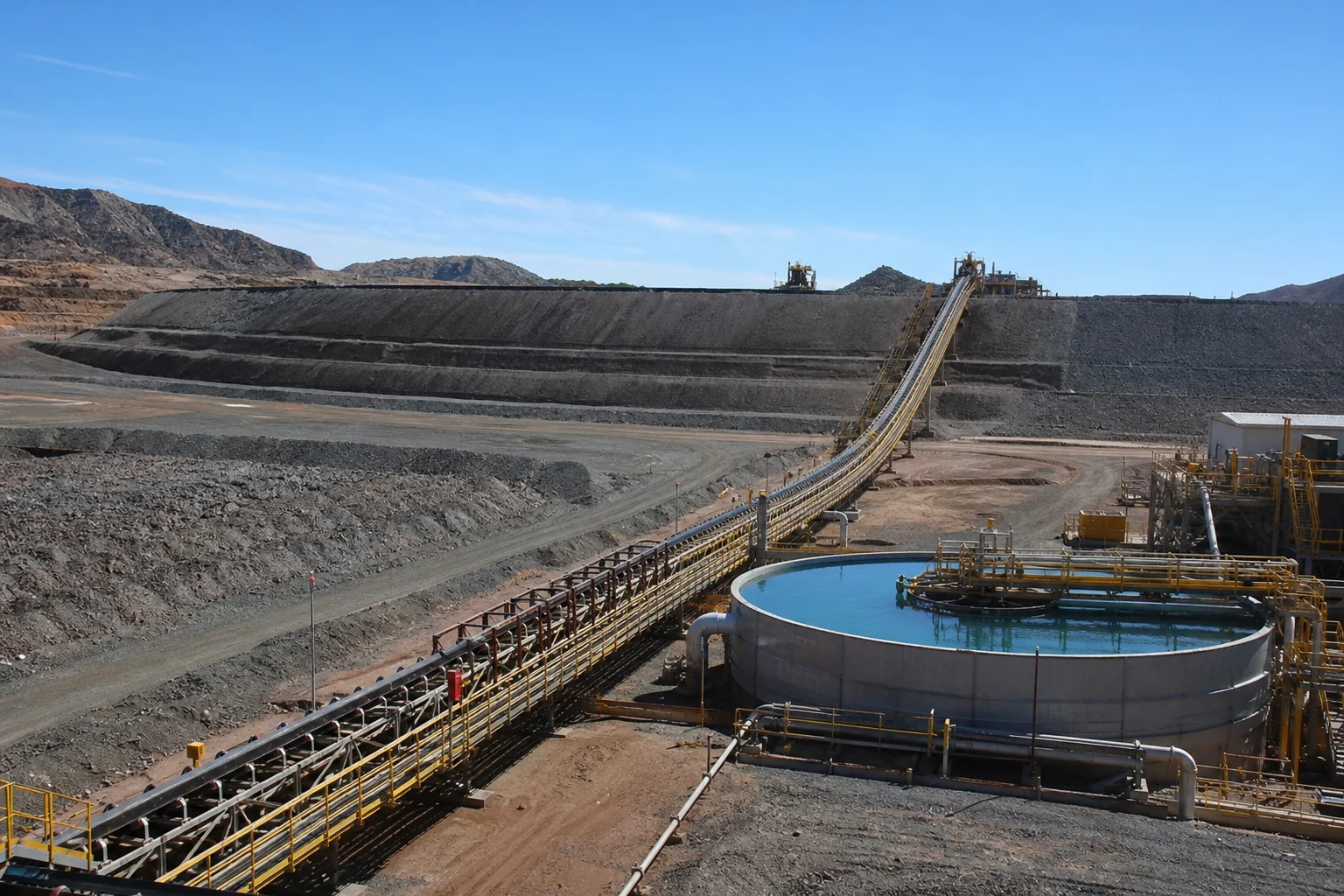
Three-Stage Solid-Liquid Separation Engineering Flowsheet
Sanming Machinery engineers customized multi-stage dewatering systems tailored to iron ore magnetic separation and flotation reject streams:
Stage 1: Coarse Fraction Hydrocyclones & High-Frequency Dewatering Screens: Tailings slurry (typically 15–20% solid concentration) is initially pumped to polyurethane-lined hydrocyclone clusters. The coarse underflow (+0.074 mm) feeds high-frequency vibrating dewatering screens equipped with slotted polyurethane deck panels, discharging a stackable sand cake with 12–15% surface moisture.
Stage 2: High-Rate Deep-Cone Flocculation Thickeners: The fine overflow (-0.074 mm slimes) enters an automated high-rate thickener. Precision flocculant dosing units aggregate ultra-fine suspended particles, settling underflow slurry to 55–65% solid density while generating crystal-clear overflow water for immediate recycling.
Stage 3: High-Pressure Automatic Membrane Filter Presses: Concentrated thickener underflow is pumped into heavy-duty automatic membrane filter presses. Utilizing 1.6–2.0 MPa hydraulic squeeze pressure and core air blowing, the system yields dry filter cakes with moisture down to 10–14%, ready for direct truck haulage or overland dry conveyor stacking.
Complete Elimination of Tailings Dam Failure Risks: Dry-stacked material is compacted with standard bulldozers, eliminating hydraulic pore pressure and liquefaction risks inherent to conventional slurry dams.
Lower Total Cost of Ownership (TCO): Closed-loop water recovery reduces plant freshwater intake costs by 80% while enabling secondary re-crushing of quartz-rich tailings sand into commercial construction aggregate.
Custom Engineering & Equipment Supply by Sanming Machinery
Sanming Machinery manufactures full-scale dewatering screen modules, thickener rake mechanisms, and automated filter press installations, offering skid-mounted designs for modular plant expansion.
Technical FAQ: Iron Ore Tailings Dewatering
Q1: Can dry-stacked iron ore tailings be reprocessed as commercial manufactured sand?
Yes. The coarse dewatered fraction (+0.15 mm) separated by hydrocyclones and dewatering screens typically features hard quartz grain structures suitable for secondary VSI shaping and road base gravel blending.
Q2: How does temperature affect flocculation in winter mining operations?
Sub-zero slurry temperatures reduce flocculant chain expansion. Sanming thickeners incorporate insulated feed wells, automated dynamic dosing rate controls, and gentle mechanical agitation to maintain fast settling velocities down to freezing conditions.