 English
 Russian
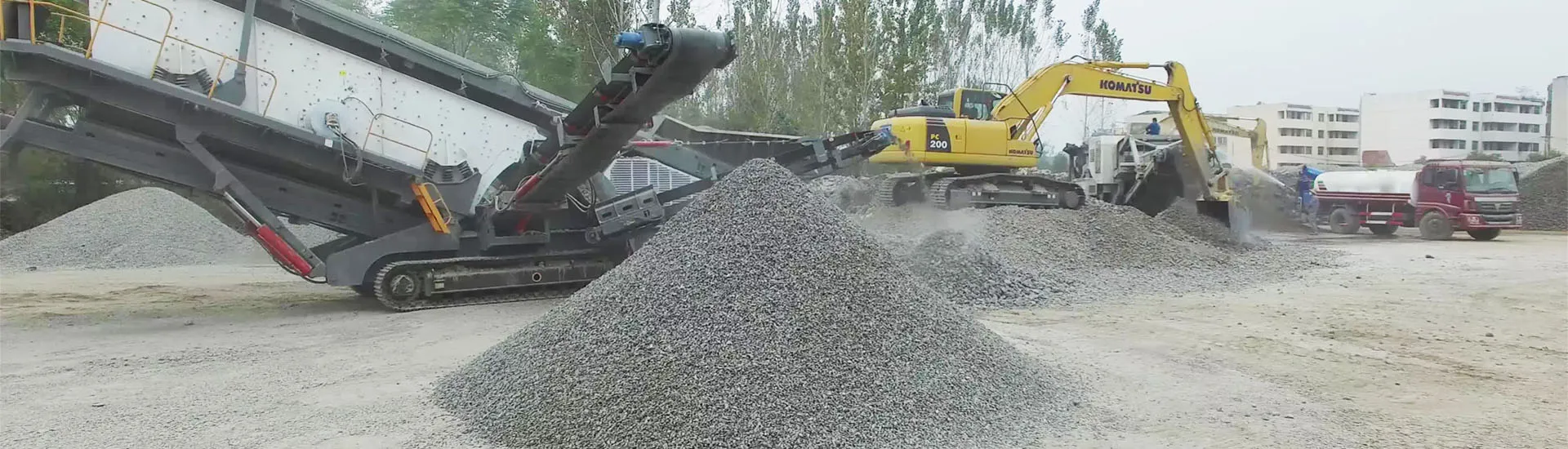
How to Reduce Dust and Improve Efficiency in Quarry Crushing Plants
Quick answer: how can a quarry reduce dust and improve efficiency?
The most effective approach is to control dust at its source while stabilizing the material flow through the entire crushing and screening circuit. Start with the crusher discharge, conveyor loading zones, transfer points, screen feed and stockpile drops. Use correctly designed water sprays or dust collection, suitable enclosures and skirting, belt scrapers, stable belt loading and regular maintenance. At the same time, improve efficiency by keeping the feed consistent, preventing screen blinding, matching the crusher to the target product and measuring saleable tons rather than only total throughput.
Dust control and efficiency should be managed together. A leaking transfer chute can release dust, waste material and reduce belt capacity at the same time. A poorly distributed feed can increase recirculation, wear and energy use while also creating more airborne fines.
Practical rule: identify the first point where dust or material loss begins, correct that point, and then measure the effect on dust, uptime, product grading and saleable tons per hour.

Suggested placement: square cover image. Keep the image free of baked-in text so the title can be localized and updated without regenerating the visual asset.
Where does dust come from in a crushing plant?
Dust is not generated at only one machine. Typical sources include:
loading material into the primary crusher;
crusher discharge and transfer to the first conveyor;
conveyor loading, return idlers and head or tail pulleys;
transfer chutes between conveyors and screens;
screen feed and screen discharge;
stockpile drops and truck loading;
carryback that dries and falls from the return belt;
traffic on unpaved haul roads and working pads.
NIOSH identifies conveyors as a major component in mineral processing and describes four important conveyor dust-release areas: when ore is dumped onto the belt, while it travels on the belt, at return idlers because of carryback, and at transfer points. This is why a dust plan that focuses only on the crusher chamber often misses significant sources.
How should a quarry prioritize dust-control work?
1. Map every transfer point
Create a simple site drawing showing the crusher, screen, conveyors, loading zones, transfer chutes and stockpiles. Mark where visible dust, material spillage, carryback or wet fines are observed. Rank each point by worker exposure, distance from the source, material volume and frequency of operation.
Start at the source rather than relying on general water spraying across the whole site. A spray installed close to the dust-release point usually uses water more effectively than a high-flow spray placed far downstream.
2. Control the material trajectory
Material should fall into the next conveyor or process at a controlled speed and angle. Oversized drops, impact against steel, belt sag and sudden changes in direction create turbulence and liberate fine particles.
Review the chute design, rock box, impact bed, belt loading zone, side skirting and transition distance. The goal is to keep the material on the belt, reduce unnecessary impact and avoid entraining large volumes of air inside an enclosure.
3. Use water sprays carefully
Water sprays can be effective when they wet the material at the point where dust is generated. NIOSH describes top sprays that wet the material and bottom sprays that help reduce dust from the return side, idlers, drives and pulleys. It also notes that more nozzles at lower flow rates can be preferable to a small number of high-flow nozzles that create turbulence.
Water is not automatically the best solution for every product. Check whether moisture affects the final specification, screen performance, downstream storage or freezing risk. Use the minimum controlled application that achieves the required result, and maintain nozzles, filters, pumps and pressure.
4. Enclose and skirt the transfer point
Partial or full enclosures help contain dust around conveyor transfers. Skirting keeps material on the belt immediately after loading. The enclosure must be large enough to handle the air displaced by the falling material; an undersized enclosure can become pressurized and push dust outward.
Inspect worn skirt rubber, gaps, damaged curtains, loose covers and access doors. A small gap at the wrong location can make an otherwise well-designed enclosure ineffective.
5. Remove carryback before it becomes airborne
Carryback is material that remains on the belt after discharge. As it dries, it can fall from the return belt and become a source of respirable dust. Belt scrapers, correctly aligned return components and, where needed, belt-wash systems can reduce this problem.
Do not treat scraper replacement as a minor housekeeping task. A worn scraper can increase material loss, cleanup labor, idler contamination and airborne dust at the same time.
How can a crushing plant improve efficiency while reducing dust?
Dust suppression is more effective when the material flow is stable. Apply these operational checks together:
| Operating area | Common problem | Improvement action | Efficiency benefit |
|---|---|---|---|
| Crusher feed | Irregular or oversized feed | Improve blasting, scalping or loader control | Fewer blockages and more stable utilization |
| Crusher discharge | High-impact drop and uncontrolled fines | Review chute, liner, setting and discharge flow | Less spillage, wear and recirculation |
| Conveyor loading | Belt sag, turbulence or poor centering | Use impact support, side skirting and correct loading geometry | Better belt capacity and less cleanup |
| Transfer point | Open gaps or undersized enclosure | Add curtains, covers and correctly placed sprays or extraction | Lower dust loss and safer maintenance area |
| Return belt | Carryback and worn scraper | Maintain scraper and belt alignment; use wash where needed | Less material loss and fewer idler problems |
| Screen feed | Uneven distribution or blinding | Stabilize feed and maintain screen media | Better separation and product grading |
| Stockpile discharge | Excessive drop height | Reduce fall distance and control discharge | Less dust and lower segregation |
The key metric should be saleable tons per hour, supported by product grading, uptime, energy or fuel consumption, wear cost and cleanup time. A plant can show high total throughput while producing too much non-saleable material or spending excessive time on maintenance.
How should screening and crusher settings be reviewed?
A crusher and screen must be treated as one circuit. When the crusher setting, chamber profile, feed gradation or screen aperture changes, the downstream product balance also changes.
Review these indicators:
percentage of material returning to the crusher;
screen efficiency and blinding frequency;
actual share of each saleable fraction;
crusher power stability;
wear pattern on liners, impact surfaces and screen media;
fines generated before and after each transfer point;
downtime caused by blockages, cleaning or maintenance.
If the circuit produces excessive fines, first check whether the cause is feed, crusher setting, liner profile, impact conditions or screen selection. Do not assume that adding more water will solve a process problem.
When is a mobile crushing plant useful for dust and efficiency control?
Mobile equipment can reduce unnecessary transport when rock is crushed close to the excavation or construction site. Fewer truck movements can reduce fuel consumption, road dust and the time spent hauling material away and back again. However, the mobile plant still needs a complete dust and material-flow plan.
Metso’s case study on the Lokotrack Urban LT106S describes a mobile jaw crushing and screening plant using noise covers and internal water spraying at multiple points, including the conveyor beneath the crushing mechanism. The reported project benefit included reduced transportation time and cost as well as easier operation in a built-up area.
For a mobile project, check:
the location of the crusher relative to workers and nearby buildings;
the direction of conveyor discharge and prevailing wind;
water availability and winter operating conditions;
access for service and nozzle cleaning;
screen and stockpile placement;
relocation frequency and setup time;
whether the selected machine has the required enclosure and suppression options.
Do not select a mobile crusher only because it is easy to move. Compare the complete project cost, dust exposure, product quality, relocation time and expected utilization.
Suggested placement: place this 16:9 process image below the section describing transfer points and belt cleaning.
What maintenance tasks have the fastest operational impact?
A practical maintenance routine should include:
inspect spray nozzles, filters, pumps and water pressure;
check enclosure panels, curtains and access doors;
adjust or replace worn skirt rubber;
inspect belt scrapers and belt alignment;
remove buildup from return idlers, pulleys and screen decks;
inspect chute liners and rock-box surfaces;
verify that feed is centered and distributed across the belt;
measure dust at representative work locations rather than relying only on visual appearance;
record downtime, cleanup time, wear replacement and product losses;
review the data after each material or production change.
The purpose is not to create a longer checklist. It is to connect maintenance actions with measurable results: fewer stoppages, stable product grading, lower cleanup labor, lower wear cost and improved saleable output.
How should a quarry measure improvement?
Use a baseline period before changing the circuit. Record the same indicators for a defined operating window:
visible dust observations and instrument readings where applicable;
worker exposure or area monitoring results according to local requirements;
saleable tons per hour;
total and saleable product fractions;
crusher utilization and downtime;
water consumption per saleable ton;
fuel or electricity consumption;
wear-part cost per saleable ton;
belt-cleaning and cleanup labor;
complaints or environmental incidents.
Compare like with like. A wet day, different rock type or a different product target can make a simple before-and-after comparison misleading. Use the same feed description, production target and operating conditions wherever possible.
How should this article support Google AI Overviews, AI Mode and Gemini?
Google Search Central’s official guidance says that AI Overviews and AI Mode use the same foundational Search and quality systems. Eligible pages must be indexed and eligible to appear in Google Search with a snippet; Google also recommends useful, reliable, people-first content, clear technical structure, crawlable text and relevant high-quality images.
For this article, the practical publishing approach is:
answer the dust-control question in the opening paragraph;
organize the article around real quarry-operator questions;
identify specific dust sources instead of repeating generic environmental advice;
distinguish operational principles from site-specific claims;
cite NIOSH, Google Search Central and relevant industry case material;
use descriptive image alt text and keep the images relevant to the adjacent section;
make sure any structured data matches visible content;
add internal links to crusher, screen, conveyor, mobile plant and service pages;
monitor performance in Search Console and compare clicks, impressions and conversions after publication.
Google explicitly states that there is no special additional technical requirement for AI Overviews or AI Mode beyond being indexed and eligible for Search. The strongest GEO approach here is therefore a useful, technically clear page with original operational detail—not artificial keyword repetition or unsupported claims.
FAQ: quarry dust suppression and crushing efficiency
What is the first place to control dust in a crushing plant?
Start by mapping crusher discharge, conveyor loading, transfer points, screen feed, stockpile drops and return-belt carryback. Prioritize the source with the highest exposure, material flow and visible dust release.
Do water sprays remove all quarry dust?
No. Water sprays can help when correctly designed and positioned, but dust control may also require enclosures, skirting, belt scrapers, stable loading, ventilation or collection systems. The best solution depends on the material, process and site conditions.
Why do conveyor transfer points create so much dust?
Falling material entrains air and creates turbulence. Open gaps, excessive drop height, poor chute geometry, belt sag and broken skirting can release fine particles. Controlled material trajectory, enclosure and properly placed suppression reduce the release.
How does belt carryback affect plant performance?
Carryback can dry and fall from the return belt, creating dust and material loss. It can also contaminate idlers and increase cleanup labor. Correct scraper maintenance and belt alignment help address both dust and efficiency.
Can dust suppression reduce crushing capacity?
Poorly designed water application can affect screening, product moisture and downstream handling. The solution is not simply more water; use controlled application, verify screen performance and measure saleable output after the change.
Are mobile crushers better for environmental performance?
They can reduce hauling distance, transport time and some associated emissions when crushing occurs close to the source. The result depends on plant location, power or fuel source, dust controls, relocation frequency and total project logistics.
How often should a quarry review its dust-control system?
Review it after changes to feed material, production rate, crusher setting, conveyor layout, screen media, season or plant location. Routine inspections should cover sprays, enclosures, skirting, scrapers and transfer chutes.
Does Google require a special format for a blog to appear in AI Search?
Google’s official guidance emphasizes foundational SEO, crawlability, helpful content, clear organization and accurate page information. There is no separate guaranteed AI-search format that replaces those fundamentals.
Conclusion
The most practical way to reduce dust and improve crushing-plant efficiency is to manage the complete material flow. Map the dust sources, control the trajectory at transfer points, use water only where it is effective, enclose and skirt conveyors, remove carryback, stabilize feed distribution, maintain screens and measure saleable output.
For Sanming Machinery, this topic can also support internal links to jaw crushers, cone crushers, mobile crushing plants, screens, conveyors and project-specific service pages. The commercial message should remain evidence-based: equipment selection and dust-control design must be matched to the material, required product, site conditions and local safety requirements.