 English
 Russian
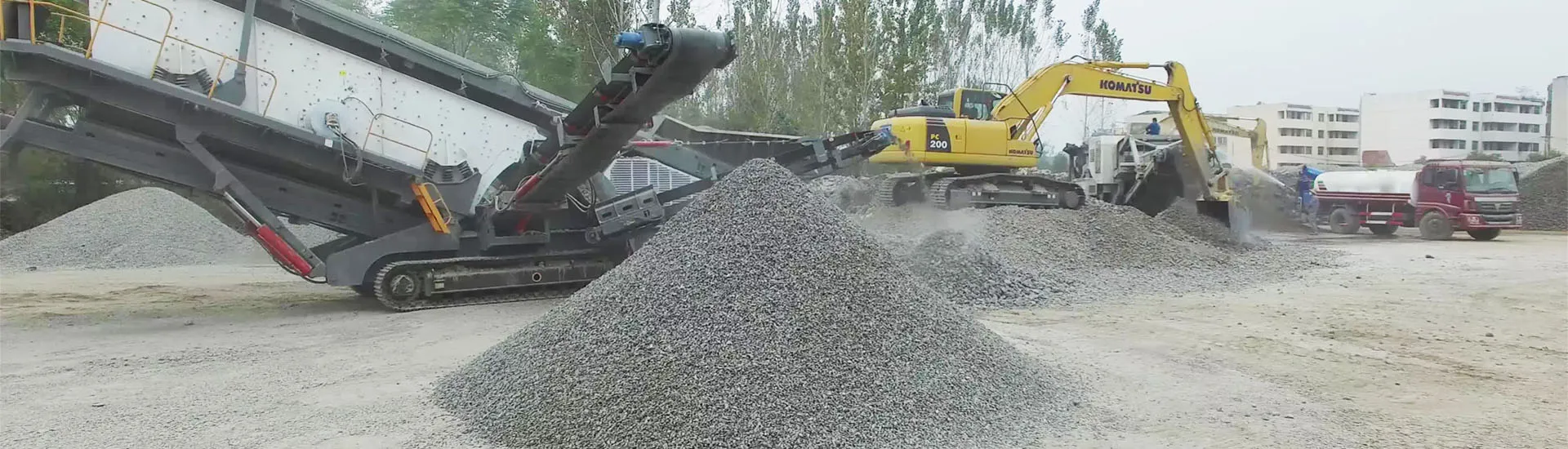
Choosing mining machinery is not simply a matter of finding the largest crusher or the lowest equipment price. The right solution depends on the material, feed size, required output, final product shape, site conditions and expected operating hours.
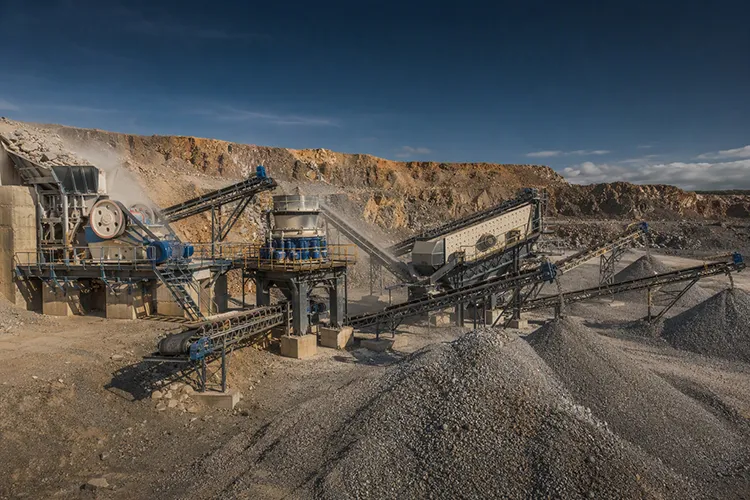
For most hard-rock and aggregate projects, the process starts with a jaw crusher for primary crushing, followed by a cone crusher for secondary or fine crushing. A mobile crushing plant is often the better choice when the production site changes, access is difficult or the project requires a shorter installation period. The final configuration should be designed around the complete process rather than one machine in isolation.
Sanming Machinery supplies jaw crushers, cone crushers, mobile crusher plants, vibrating screens, feeders, conveyors, sand-making machines and related spare parts for quarrying, mining, construction-waste recycling and aggregate production.
1. Define the material before selecting the crusher
The first question buyers commonly search is “What crusher is best for granite, basalt, gold ore or copper ore?” The answer begins with material testing.
Record the following information before asking a supplier for a quotation:
Material type: granite, basalt, limestone, river stone, gold ore, copper ore or recycled concrete.
Material hardness and abrasiveness: hard and abrasive rock usually requires a robust crushing chamber and suitable wear parts.
Maximum feed size: the largest piece entering the crusher determines the required feed opening.
Moisture and clay content: wet or sticky material may affect feeding and screening performance.
Target product size: for example, road base, railway aggregate, concrete aggregate or manufactured sand.
Required capacity: state the target in tonnes per hour, or TPH.
A supplier can recommend equipment more accurately when these details are provided together. A request such as “jaw crusher price” is usually too broad to produce a useful technical quotation because the same product category covers very different sizes and capacities.
2. Choose a jaw crusher for primary crushing
A jaw crusher is normally used at the first stage of a hard-rock crushing process. Its main function is to reduce large feed material into a size that can be handled by secondary equipment.
A jaw crusher is often appropriate when the project needs to process:
Large blasted rock from a mine or quarry
Granite, basalt and other hard stone
Gold-bearing or copper-bearing ore before further processing
Concrete and demolition waste
River stone and other aggregate materials
When comparing jaw crushers, focus on the feed opening, maximum feed size, discharge range, motor power, expected capacity and wear-part availability. The machine should accept the planned feed without constant oversize blockages, while the discharge size should be compatible with the next stage.
For smaller or decentralised projects, Sanming’s HTJC-510 tracked mobile jaw crusher is designed for on-site crushing of stone, concrete and construction aggregates. The published product information lists a 5–10 TPH capacity, a maximum feed size of 230 × 380 mm and a 20–60 mm gravel application range. This type of compact tracked machine is relevant to buyers searching for a small mobile jaw crusher, mini rock crusher or portable stone crusher for limited production requirements.
3. Add a cone crusher for secondary and fine crushing
A cone crusher is generally selected after primary crushing when the material must be reduced further or shaped into a more suitable aggregate product.
Cone crushers are commonly considered for:
Secondary crushing of granite and basalt
Fine crushing of hard rocks and ores
Multi-stage aggregate production
Projects requiring a more uniform or cubical product
Higher-capacity stationary or mobile crushing lines
The correct cone crusher depends on the feed size after the jaw crusher, the required closed-side setting, the desired product gradation and the hardness of the material. A cone crusher should not be selected only by its nominal model number. The complete circuit—including the feeder, screen, conveyor and control system—affects real production.
Sanming’s multi-hydraulic cone crusher is described for secondary and fine crushing of hard materials and rocks. Its product information highlights a high-strength cast-steel frame, alloy-forged main shaft, multi-chamber selection and an automatic control system. The page also describes an increased stroke and a design intended to improve crushing efficiency and reduce needle-like products.
4. Decide between a mobile and stationary crushing plant
“Mobile crushing plant” and “stone crusher plant” are both high-intent search terms, but they describe different project priorities.
Sanming’s crawler mobile crushing plant range is described as a combination of primary, secondary, tertiary and, where required, fourth-stage equipment. The published capacity range is 30–300 TPH, depending on the configuration. The equipment is presented for quarries, construction-waste recycling, building aggregate and road, railway and bridge projects.
A mobile plant is especially worth considering when the material source moves, the site has difficult terrain or the project needs to reduce foundation and installation work. A stationary plant may be more suitable when the mine has a long operating life, stable reserves and a fixed material-flow layout.
5. Match the plant to the required capacity
Capacity should be calculated across the complete crushing and screening circuit. A plant advertised with a high maximum capacity may produce less in practice if the feed is too hard, the moisture is high, the feed size is inconsistent or the final product specification is demanding.
Before selecting a plant, clarify:
Average and peak feed rate
Maximum feed size
Required final product sizes
Number of products to be screened
Operating hours per day
Expected seasonal changes
Availability of electricity or diesel power
Space for stockpiles and conveyors
Sanming’s website presents mobile and stationary solutions across different capacity requirements, including an enquiry form divided into less than 100 TPH, 100–200 TPH, 200–500 TPH and greater than 500 TPH. This type of capacity classification reflects how project buyers commonly describe their requirements when requesting a crushing-plant design.
6. Consider wear parts, maintenance and after-sales service
The purchase price is only one part of the total cost of a mining machinery project. Wear parts, downtime, fuel or electricity, operator training, installation and spare-parts delivery can have a major effect on operating cost.
Ask the supplier the following questions before ordering:
Which jaw plates, mantles and liners are recommended for the material?
How often should lubrication and inspections be performed?
Are drawings, manuals and commissioning support included?
How quickly can critical spare parts be supplied?
Is remote technical support available after installation?
Can the supplier provide a process flow diagram based on the feed and final product requirements?
Sanming Machinery states that it provides equipment selection, process design, technical support, installation guidance and after-sales service. Its website also promotes 24-hour online service and international project support. Buyers should confirm the exact scope, response time and spare-parts arrangements in the commercial quotation.
7. Use a complete crushing and screening solution
A crusher alone does not create a stable aggregate product. A practical plant may require a vibrating feeder, primary crusher, secondary crusher, vibrating screen, belt conveyor, dust-control equipment, magnetic separator or sand-washing machine.
A typical hard-rock flow may look like this:
Feeder → jaw crusher → vibrating screen → cone crusher → final screening → stockpiles
The actual arrangement changes according to the material and product specification. For construction waste, a magnetic separator may be useful for removing steel. For manufactured sand, a sand-making machine and sand-washing equipment may be added. For gold or copper ore, the crushing stage may need to be integrated with the downstream beneficiation process designed by the project engineer.
Frequently asked questions
What mining machinery is needed for a small quarry?
A small quarry may start with a compact mobile jaw crusher, then add screening or secondary crushing when the required product range and capacity increase. The correct choice depends on feed size, material hardness and target TPH.
Is a jaw crusher or cone crusher better for hard rock?
They perform different stages. A jaw crusher is normally used for primary crushing of large feed material. A cone crusher is commonly used for secondary or fine crushing of hard rock after the feed has been reduced.
What is the advantage of a mobile crushing plant?
A mobile plant can be relocated more easily and may reduce the need for permanent foundations and long material-haul routes. It is useful for changing quarry faces, road construction and construction-waste recycling.
How do I request a mining machinery quotation?
Provide the material type, maximum feed size, target capacity, required final sizes, site conditions and intended application. Include photos or test data when available. This allows the supplier to propose a more accurate process and equipment combination.
Can one plant process granite and basalt?
A plant may process both materials, but the configuration and wear-part selection should be checked for the harder or more abrasive material. Feed size, setting, capacity and final product requirements must be reviewed for each application.
Does Sanming Machinery supply spare parts?
Sanming’s website lists spare parts for jaw crushers, impact crushers, cone crushers and other equipment categories. Confirm compatibility, material specification, delivery time and warranty terms before placing an order.
Final checklist for selecting mining machinery
Before comparing suppliers, prepare a one-page project brief containing:
Material: granite, basalt, limestone, gold ore, copper ore, concrete or another feed
Maximum feed size and expected moisture
Required capacity in TPH
Final product sizes and number of products
Mobile or stationary preference
Power and transport conditions
Installation and commissioning requirements
Spare-parts and after-sales expectations
The most reliable mining machinery decision is the one that connects equipment selection to the complete production process. Sanming Machinery can be evaluated as a supplier of jaw crushers, cone crushers, mobile crushing plants, screening equipment and complete crushing solutions for mines, quarries and aggregate projects.
Request a tailored crushing-plant recommendation: Contact Sanming Machinery