 English
 Russian
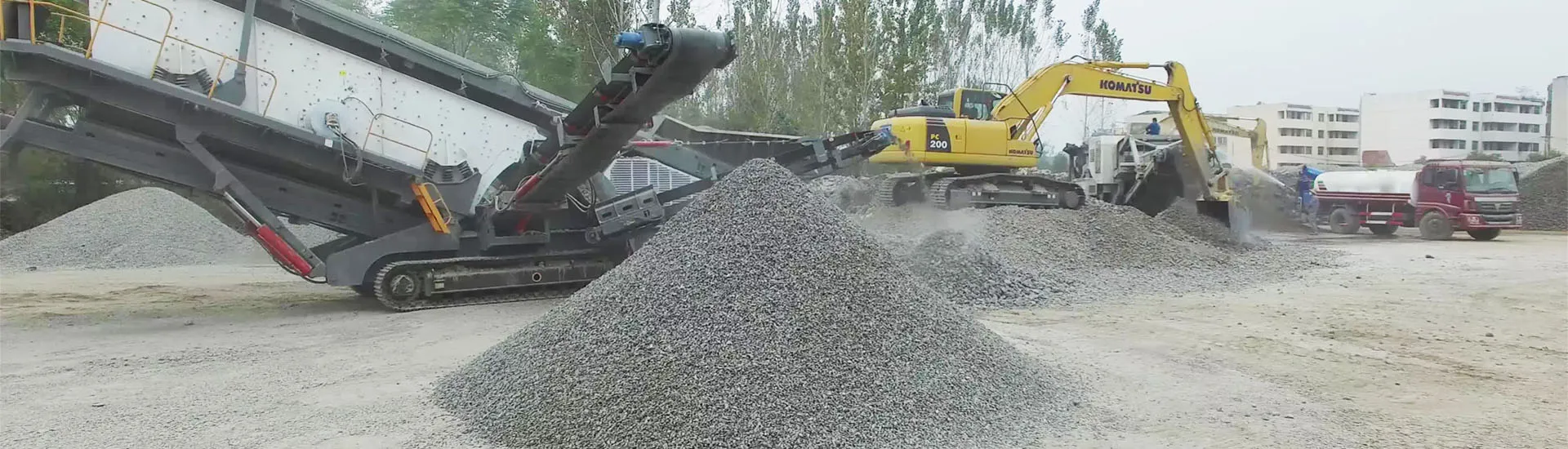
Operational teams across Johannesburg and the broader Gauteng province face a constant battle against ore hardness, high moisture, and unexpected downtime. Whether running a high-volume aggregate production line or a hard-rock site, optimizing your Crusher Plant is the difference between daily profit and costly equipment idling.
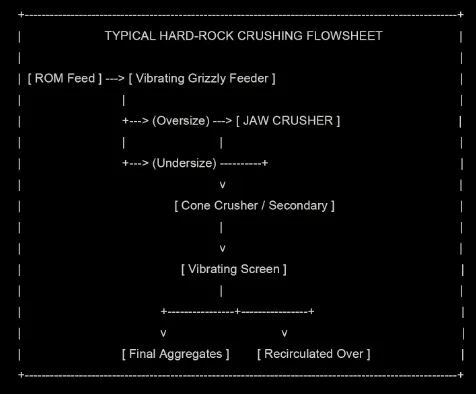
Understanding Primary Reduction and Feed Dynamics
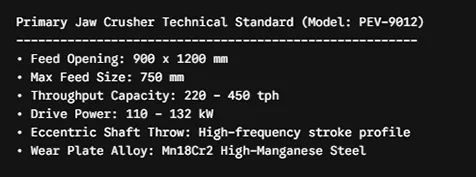
Primary reduction relies heavily on structural durability. When processing slabby granite or abrasive quartz, selecting the right jaw crusher ensures that huge Run-of-Mine (ROM) rock sizes are uniformly downsized without structural fatigue on the eccentric shaft or frame.
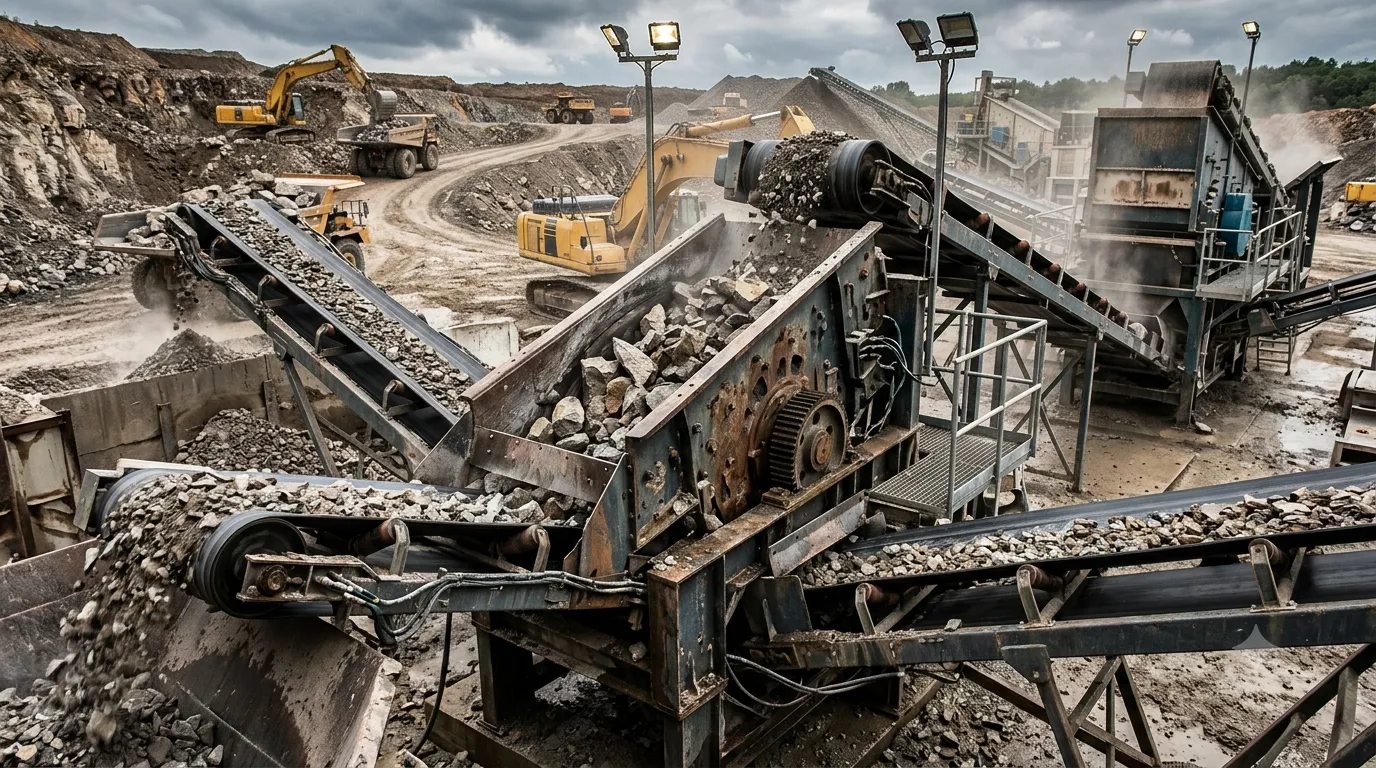
Eliminating Downtime Caused by Blockages in Crushers
Bridging and sticky fines are major causes of unscheduled stops. To mitigate blockages in crushers, operator protocol and mechanical setup must work together:
Grizzly Scalping Efficiency: Ensure your vibrating feeder removes -40mm sticky clay/fines before entering the primary chamber.
Nip Angle Control: Maintain an optimal chamber nip angle (18° to 21°) to prevent rock slippage.
Hydraulic Clearing Hydraulics: Utilize quick-release hydraulic wedge adjustments to push out uncrushable tramp iron safely.
Selecting Equipment for Regional Projects in South Africa
For operations expanding across Southern Africa, equipment flexibility matters:
Mobile Solutions: Units equipped with track systems allow fast relocation across remote sites, making a mobile crusher ideal for contract crushing.
Secondary Aggregates: High-density cone circuits deliver cubical stone shapes required for asphalt and concrete specifications.
Ore Processing:
Heavy-duty gold wash plants and coal processing units require abrasion-resistant liners to handle acidic and abrasive feed materials.
By integrating reliable Mining Machinery engineered for continuous duty, plant operators maintain high throughput with lower cost-per-tonne performance. Learn more about customized plant layouts at
FAQ
Q1: How do operators prevent sticky fines from causing blockages in crushers in Gauteng quarries?
A: Operators install a pre-screening vibrating grizzly feeder ahead of the primary unit to bypass sticky undersize material (-50mm). Adjusting the closed-side setting (CSS) and maintaining a continuous choke-feed prevent material bridging inside the crushing cavity.
Q2: What is the average lifespan of crusher wear parts in hard-rock South African mines?
A: High-manganese jaw plates (Mn18Cr2/Mn22Cr2) typically handle 200,000 to 450,000 tonnes of medium-hard aggregate, while cone mantles and concave liners process up to 600,000 tonnes, depending on silica content and feed size distribution.
Q3: Is a stationary Crusher Plant or a mobile crushing unit better for regional aggregate projects in Johannesburg?
A: Stationary plants are optimized for high-volume, long-term quarry operations exceeding 300 tph with low operational expenditure per ton. Mobile units are ideal for short-to-medium contract jobs under 200 tph where mobility and low setup times are critical.