 English
 Russian
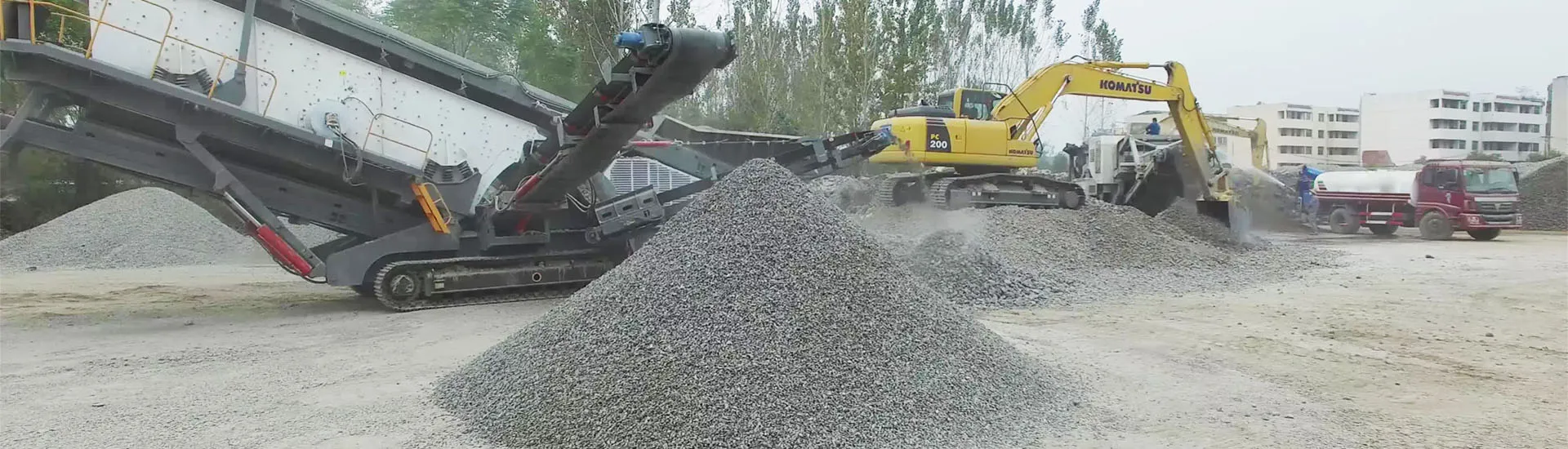
Running a hard rock quarry or a large-scale Mining project across Africa comes with unique operational realities: variable power supply, abrasive local rock like granite or basalt, and complex logistics for spare parts. Whether you are expanding an existing aggregate site or estimating your initial Crushing plant cost, matching your rock hardness with the right equipment setup is the single most critical factor in controlling operational expenses.
Below is a field-tested breakdown of machine selection, continuous operation tips, and practical ways to avoid costly site shutdowns.
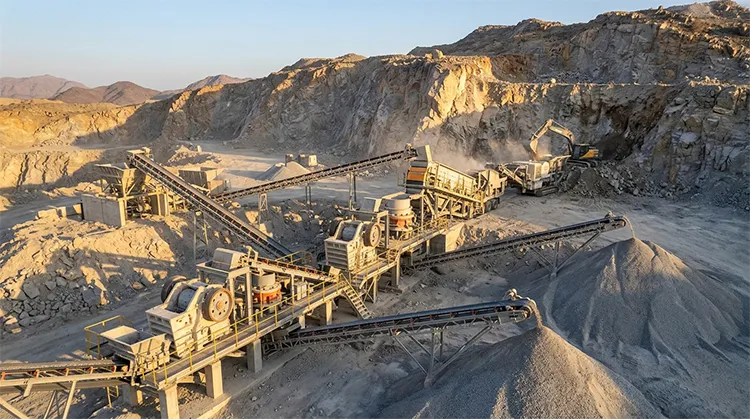
Understanding the Core Equipment Lineup
1. Primary Stage: The Jaw Crusher
For tough, abrasive basalt, granite, or iron ore, a heavy-duty primary Rock Crusher (jaw type) is essential. It accepts large feed sizes directly from the blasting face and reduces them to manageable sizes for secondary processing.
Core Function: High compression reduction of large feed.
Key Advantage: Simple mechanical design with minimal moving parts, keeping on-site maintenance straightforward.
2. Secondary Stage: The Cone Crusher
When producing crushed stone, road base, or concrete aggregates, a secondary cone Stone Crusher handles hard materials with minimal wear costs compared to impact crushers.
Core Function: Precision crushing to achieve uniform, cubical aggregate shapes.
Key Advantage: High energy efficiency and long wear life when processing abrasive stone.
3. Flexibility: Mobile Crusher Units
For remote locations, road construction projects, or short-term leases, a tracked or wheeled mobile crusher eliminates the need for expensive concrete foundations and reduces haulage expenses by processing material directly at the pit face.
Equipment Selection Matrix for Hard Rock Quarrying
| Parameter / Need | Jaw Crusher | Cone Crusher | Mobile Crusher |
| Primary Feed Size | Up to 1000mm+ | Up to 300mm | Up to 600mm |
| Crushing Stage | Primary Stage | Secondary / Tertiary | Flexible (Primary or Secondary) |
| Best Used For | Hard, abrasive rock reduction | Final sizing, cubical aggregate | Remote sites, frequent movement |
| Maintenance Profile | Simple mechanical jaw plates | Hydraulic control, mantle/concave replacement | Integrated engine & track maintenance |
How to Avoid Blockages in Crushers and Extend Wear Life
Unscheduled downtime wipes out profitability. Implementing basic daily protocols protects your Quarry Equipment and keeps your tonnage output consistent:
Enforce Pre-Screening: Always run run-of-mine (ROM) rock over a vibrating grizzly feeder before entering the primary breaker. Removing dirt, clay, and fine particles prevents packed material traps that cause blockages in crushers.
Monitor Wear Parts Proactively: Manganese jaw plates, mantles, and concaves are sacrificial elements. Operating with worn liners reduces feed capacity, increases fuel consumption, and puts excessive strain on drive bearings.
Ensure Uniform Feeding: Choke feeding in cone units creates an even crushing chamber pressure, resulting in better aggregate shape and uniform liner wear across the chamber perimeter.
Working directly with an experienced crusher supplier ensures you get correct wear liner alloys tailored specifically to your site's silica levels and rock compressive strength.
FAQ
Q1: What factors determine the initial Crushing plant cost?
The total investment depends on total throughput requirements (tonnes per hour), rock hardness, mobility needs (stationary vs. mobile), and the required number of crushing/screening stages. Auxiliary components like transformers, conveyors, and dust control systems also affect the total budget.
Q2: Why is a cone crusher preferred over an impact crusher for hard rock?
A cone crusher uses compression to fracture hard, abrasive materials like granite and basalt, resulting in significantly lower wear plate costs. Impact crushers use high-speed blow bars, which wear down rapidly when processing high-silica rock.
Q3: How do I select the right wear parts for high-silica stone?
For high-silica feed, high-manganese steel alloys (such as Mn18Cr2 or Mn22Cr2) provide high impact resistance and work-hardening characteristics, maximizing liner service life under severe abrasive conditions.