 English
 Russian
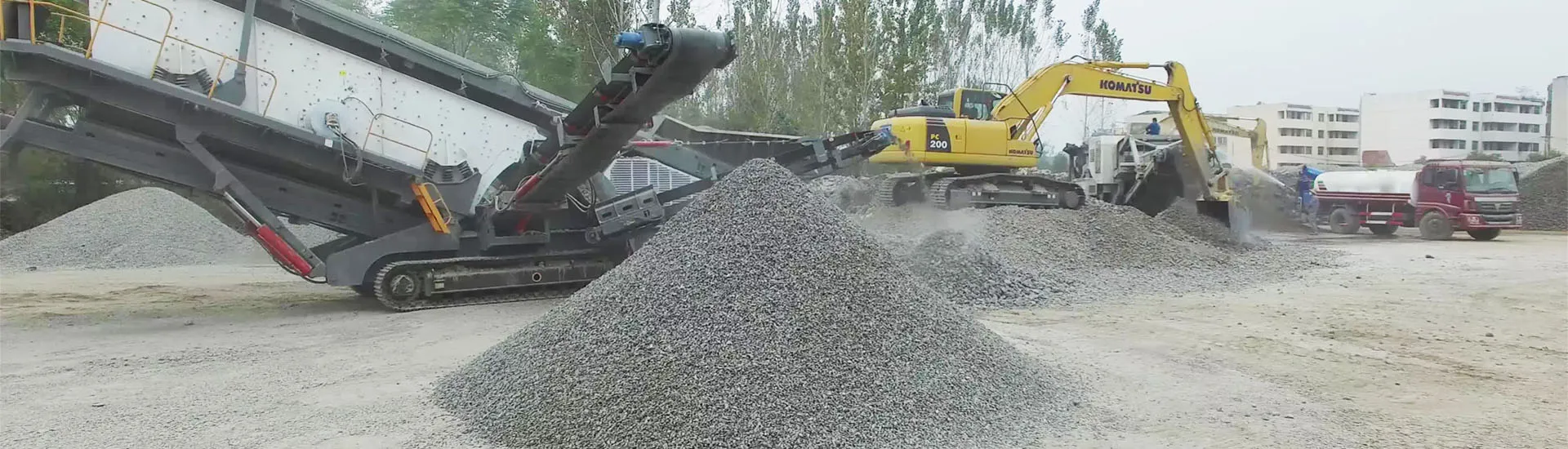
If you are running a quarry, you already know the biggest headache: wear parts wearing out too fast and unexpected downtime. When processing hard stones like granite, basalt, or river pebbles, choosing the wrong aggregates machine doesn't just lower your output—it eats your profit margins.
At Sanming Machinery, we often see quarry owners buying a massive jaw crusher thinking it will solve everything, only to find their flakes and elongated particles ruin their final aggregate quality.
Here is a simple, proven setup that saves cost and maximizes cubical aggregate production.
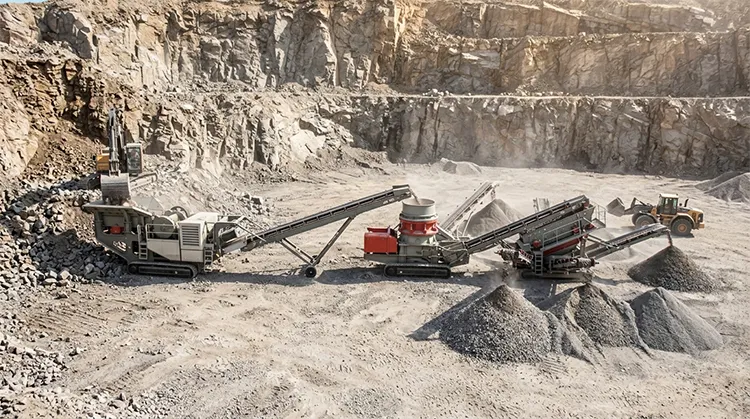
Step 1: The Primary Crushing – Heavy-Duty Jaw Crusher
Your jaw crusher is the workhorse. Its only job is to take large quarry rocks and smash them down to a manageable size.
Pro Tip: Don't push the CSS (Closed Side Setting) too tight to force a smaller output. Let the jaw do the heavy lifting without choking, which protects your toggle plates and jaws from premature cracking.
Step 2: The Secondary Crushing – High-Efficiency Cone Crusher
For hard and abrasive materials, a cone crusher is non-negotiable. Unlike impact crushers that suffer massive wear from hard rock, a cone crusher uses laminating crushing. It shapes the stone efficiently while keeping your wear-cost per ton incredibly low.
Go Mobile or Stay Stationary?
If your quarry site has a short lifespan (under 3–5 years) or you do road construction contracting, a mobile crusher plant is a game-changer. You save thousands of dollars on concrete foundation pouring and truck hauling costs because the aggregates equipment moves with your excavation face.
The Bottom Line
A profitable crusher plant isn't about buying the most expensive quarry machine; it’s about matching the crushing stages correctly to your rock hardness and target capacity.
Need a Quick Flowsheet Design?Tell the Sanming Machinery team your rock type and daily target tonnage, and we will sketch out a customized layout for you. No fluff, just practical engineering.