 English
 Russian
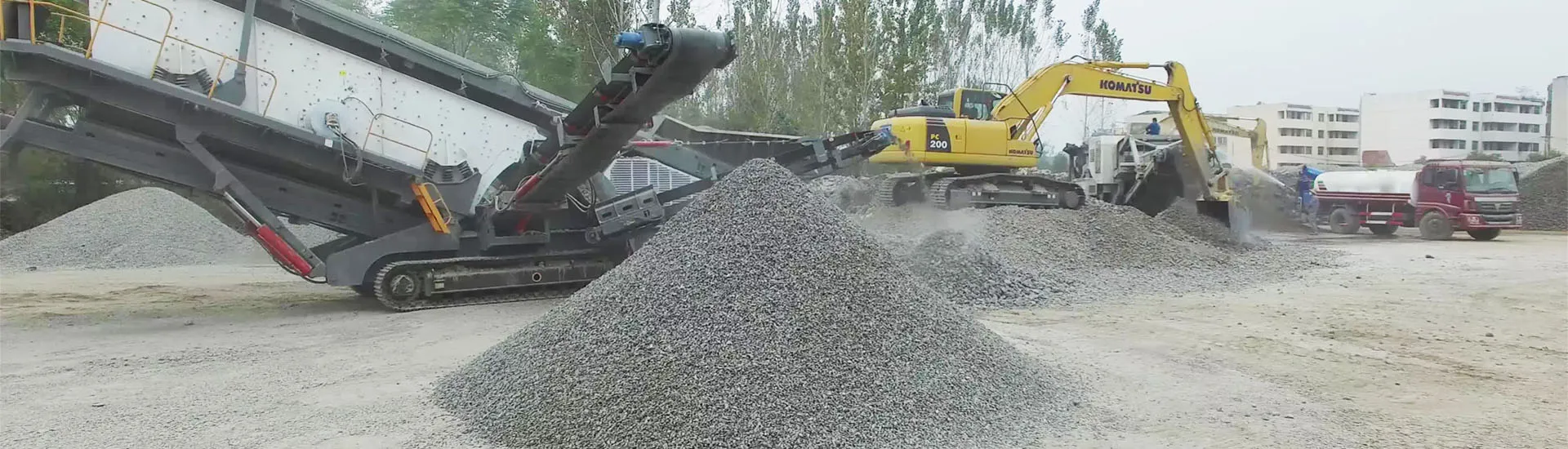
In the rapidly evolving mining landscape of 2026, the question is no longer just about crushing rock—it’s about maximizing the value per ton. Whether you are operating in the copper belts of Zambia or granite quarries in Nigeria, choosing between a mobile crushing plant and a stationary line is your most critical financial decision.
1. Mobility: The Key to Reducing Logistics Costs
Mobile crushing plants (crawler or tired) have seen a 25% surge in adoption this year. Why? Because bringing the machine to the rock is cheaper than hauling the rock to the machine. For short-term projects or multi-site operations, the reduction in truck fuel and maintenance is a direct boost to your bottom line.
2. Stationary Plants: The Power of Long-Term Stability
If your mining lease exceeds 10 years and your capacity requirement is over 500 TPH, a stationary line remains the king of stability. With Sanming Machinery’s latest high-efficiency jaw and cone crushers, stationary lines offer a lower energy consumption rate per ton of finished product.
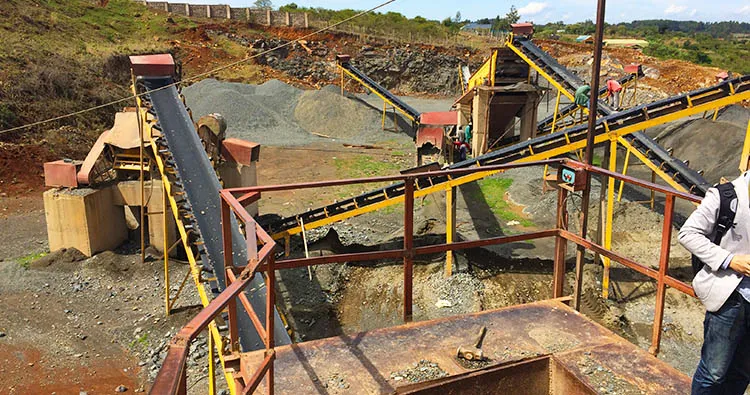
3. Total Cost of Ownership (TCO) Breakdown
| Feature | Mobile Crushing Plant | Stationary Production Line |
| Initial Investment | Higher | Lower |
| Setup Time | 24-48 Hours | 4-8 Weeks |
| Operational Cost | Lower (Fuel/Logistics) | Lower (Power/Parts) |
| Resale Value | High | Moderate |
The Sanming Verdict: If flexibility and rapid deployment are your priorities for 2026, go Mobile. If you demand massive, consistent output with minimal part replacement, go Stationary.