 English
 Russian
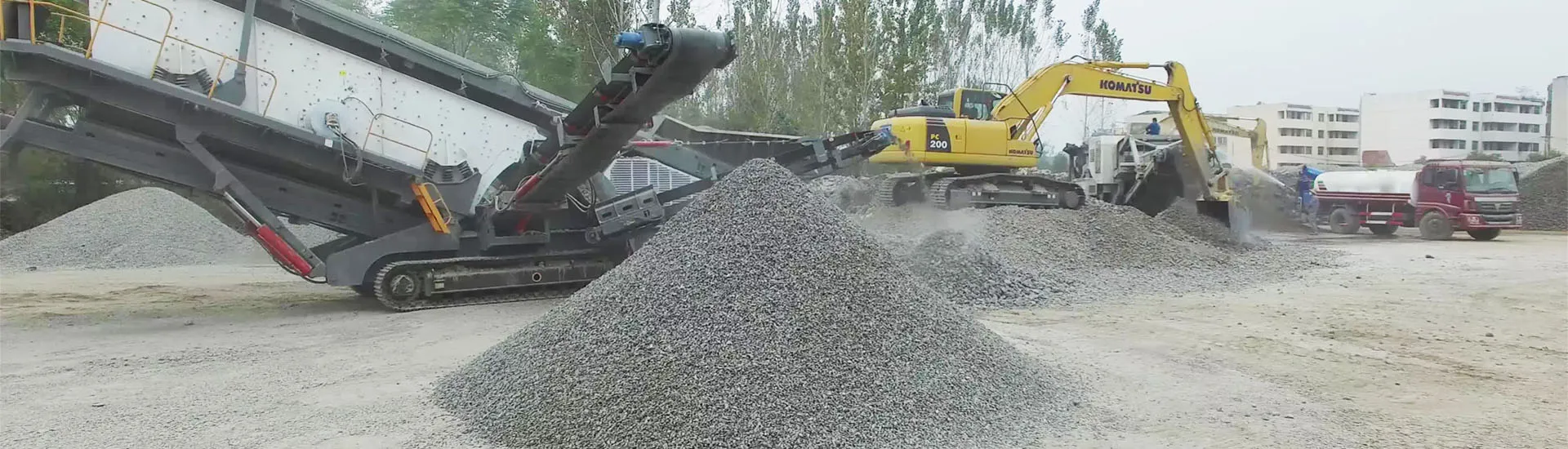
Entering the second quarter of 2026, the global demand for high-grade aggregate and mineral resources is pushing quarry operators to re-evaluate their production lines. If you are browsing for "new crushers" or "how to start a quarry?" on Google or Bing right now, you aren’t just looking for machines; you are looking for a return on investment (ROI).
At our manufacturing base, we don't just fabricate steel; we engineer solutions. We understand that a stone factory is only as profitable as its weakest link. Here is our engineering guide to optimizing your crushing operation this year.
1. The Right Tool for the Primary Cut: Jaw Crushers
For most quarrying and mining operations, the Jaw Crusher remains the undisputed king of primary crushing. When selecting a jaw crusher in 2026, don't just look at the feed size. Look at the eccentric shaft speed and toggle plate design. Our latest models focus on maximizing throughput of hard rock like granite or basalt while minimizing the "flaky" material profile that can burden secondary crushers.
2. Achieving Cubical Shape: Cone Crushers for Secondary processing
If your final product is destined for high-strength concrete or asphalt, your "browsing" should focus on Cone Crushers. While jaw crushers reduce size, cone crushers define quality. Modern hydraulic cone crushers allow operators to adjust the Closed Side Setting (CSS) on the fly. This flexibility is crucial for maintaining a consistent, cubical product shape, significantly increasing the market value of your aggregate stockpiles.
3. Mobility vs. Stationary: The 2026 ROI Decision
One of the highest-trending search concepts is the flexibility of Mobile Crushing Plants. In 2026, the decision to go mobile is often driven by logistics costs. If you have multiple small sites, or if your quarry face moves rapidly, a tracked or wheeled mobile jaw/cone plant eliminates expensive stationary foundations and cuts down on material haulage. However, for massive, multi-decade "stone factories," a well-designed stationary line remains the most efficient TPH (Tons Per Hour) producer.
4. The Unsung Heroes: Belt Conveyors and Wear Parts
Your crusher might be the heart of the operation, but Belt Conveyors are the veins and arteries. An inefficient conveyor system causes bottlenecks that starve your crushers.
Perhaps most importantly, in a market defined by tight margins, minimizing downtime is everything. Utilizing high-quality Crusher Wear Parts (like manganese jaw plates and cone liners) isn’t an expense—it’s production insurance. Cheap parts wear unevenly, degrading product quality and forcing unscheduled shutdowns.
Conclusion
As you search for mining machinery, remember that the "best" machine is the one tailored to your rock geology, final product specification, and site logistics. Our technical team is ready to help you design a complete crushing solution, from primary jaw to final stockpile.