 English
 Russian
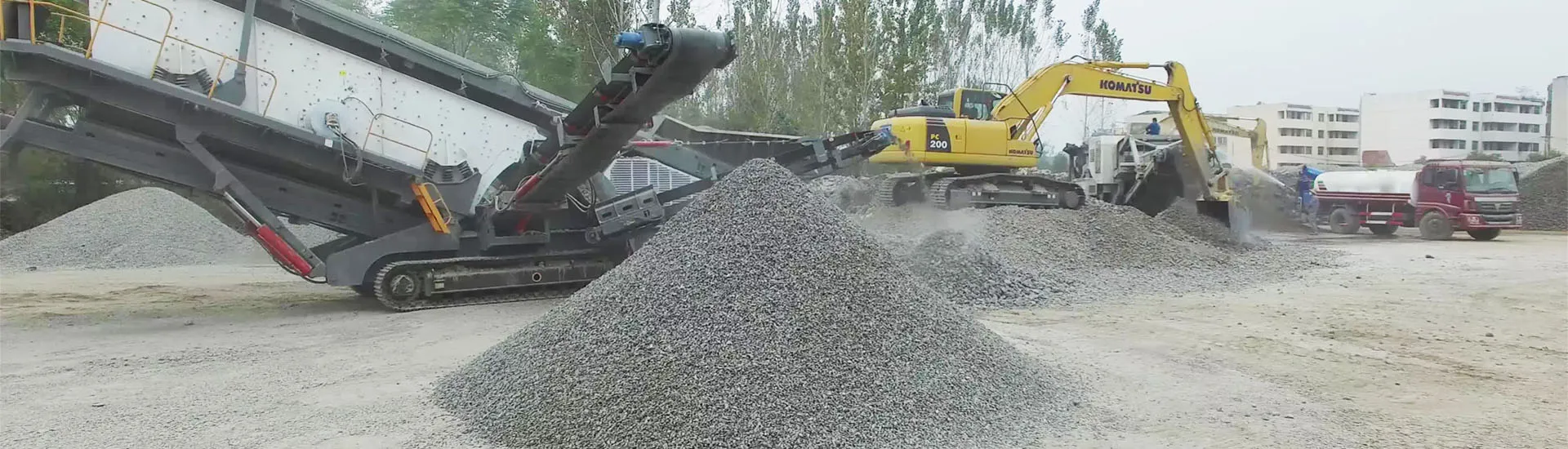
In the demanding realm of aggregate and mining, the secondary crushing stage often dictates overall plant efficiency and final product quality. While multiple machine types exist, the Cone Crusher—particularly modern hydraulic versions—stands as the pinnacle of precision engineering, capable of handling hard materials with exceptional shaping performance. But what transforms raw steel and sophisticated hydraulics into such a potent machine?
At Hangzhou Sanming Machinery, fabricating a high-performance Cone Crusher is a meticulous process, where advanced manufacturing techniques meet deep material science. Let's delve into the technical core of how we build these machines.
1. The Foundation: Robust Casting and Precision Machining
A cone crusher is subjected to immense cyclical loading. Its mainframe, upper frame, and bowl require structures that are incredibly rigid. We utilise high-quality cast steel alloys, often employing computer-aided solidification simulation to ensure casting integrity and minimise internal defects.
Following casting, large-scale computer numerical control (CNC) boring mills and vertical lathes are deployed. Critically, we machine mating surfaces like frame seats and head-on-mainshaft joints to micron-level tolerances. This precision is vital for perfect alignment and proper load distribution, directly impacting the crusher's longevity and performance.
2. The Dynamic Core: Mantle, Bowl Liner, and Wear Material Science
The crushing action occurs between the mantle (attached to the mainshaft) and the bowl liner (within the concave). These components bear the brunt of material impact. We utilise custom high-manganese steel alloys (Mn18Cr2 or higher), sometimes fortified with chromium or alloyed steels, depending on the hardness of the rock being processed.
Our focus is on meticulous heat treatment processes. Precise quenching and tempering cycles optimise the microstructure, striking the crucial balance between through-hardness for wear resistance and core toughness to prevent catastrophic fracture.
3. The Brain and Brawn: Intelligent Hydraulic Systems and Automation
Modern users demand efficiency and ease of operation. The integration of advanced hydraulic systems for tramp release, setting adjustment, and cavitation clearing is key. Our manufacturing facility includes dedicated hydraulic clean rooms for component assembly to prevent contamination that can lead to premature failure.
Furthermore, we integrate sophisticated automated control systems. These systems monitor vital parameters like motor load, oil pressure, and temperature, automatically adjusting crusher settings for optimal performance and protecting the machine from harmful overloads, ensuring continuous operation and maximizing return on investment.
4. The Final Fit: Assembly and Uncompromising Testing
A cone crusher's dynamic performance relies heavily on its dynamic components. We manufacture eccentric bushings, socket liners, and mainshafts using premium materials like specialized bronzes or high-strength steel. These require precise machining and sometimes complex surface treatments.
Final assembly involves assembling all components, from the powerful motor drive to the intricate hydraulic manifolds. Before shipment, every machine undergoes extensive testing, including prolonged no-load run-ins to check for vibrations, bearing temperatures, and the seamless operation of hydraulic functions, ensuring it arrives ready to perform.
Conclusion: More Than Just Steel, A Commitment to Performance
Manufacturing a top-tier cone crusher is more than shaping steel; it's about integrating multiple disciplines to deliver reliability and efficiency. At [Your Company Name], every cone crusher is built upon a foundation of engineering excellence, material innovation, and meticulous craftsmanship, ready to tackle the hardest materials and deliver optimized performance for your crushing operation.