 English
 Russian

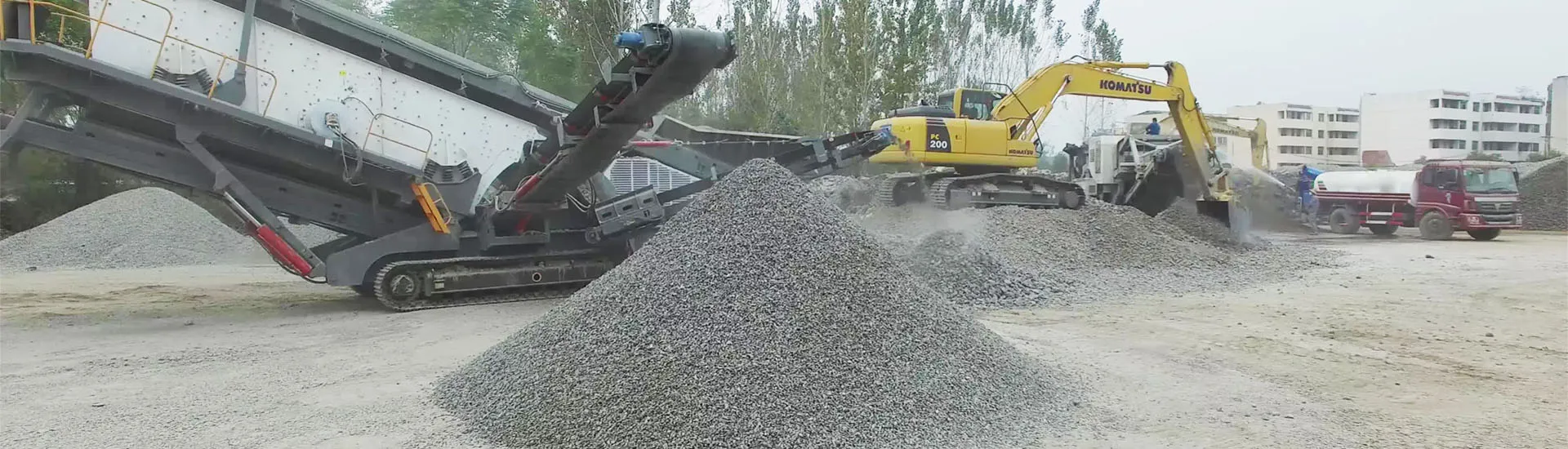
1. Introduction: Hard Rock Crushing Challenges in Modern Quarries
In hard rock quarrying (such as granite, basalt, diabase, and quartzite), selecting the primary and secondary crushing equipment directly determines the crushing efficiency, operating expenditure (OPEX), and aggregate shape. Plant operators frequently face the decision between Tracked Mobile Jaw Crushers and Tracked Mobile Impact Crushers for primary or secondary reduction.
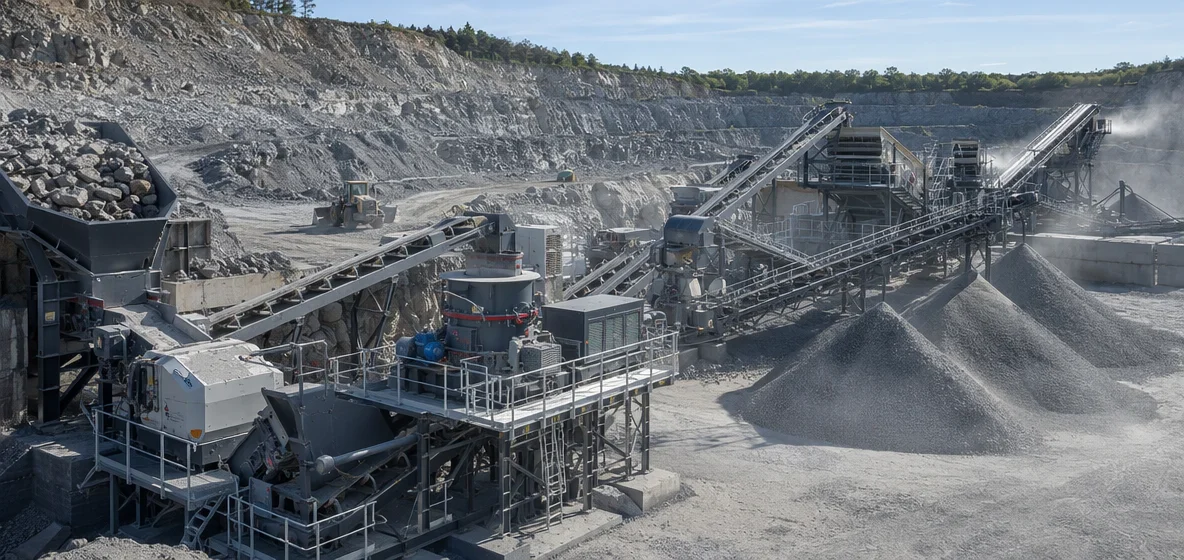
Figure 1: Sanming Machinery Tracked Mobile Crushing and Screening Station in Granite Processing
2. Technical Comparison: Mobile Jaw vs. Tracked Impact Crusher
| Parameter / Feature | Mobile Jaw Crusher (e.g. PEV Series) | Tracked Impact Crusher (PF Series) |
|---|---|---|
| Primary Working Mechanism | Compressive crushing between fixed and movable jaw plates | High-speed impact by rotor blow bars against breaker plates |
| Feed Compressive Strength Limit | Up to 320+ MPa (Ideal for granite, basalt, iron ore) | Best for ≤ 150–200 MPa (Limestone, dolomite, gypsum) |
| Maximum Feed Size | Large (Up to 750–1000 mm) | Medium to Large (Up to 400–600 mm) |
| Abrasive Wear Part Consumption | Very Low (Manganese wear plates have high longevity) | High in abrasive quartz/basalt rock (rapid blow bar wear) |
| Product Flakiness & Shape | Primary reduction shape (requires secondary shaping) | Superior cubical shape with excellent gradation |
3. Ideal Circuit Configuration for Granite & Basalt
For high-silica and high-hardness rocks, Sanming Machinery recommends a multi-stage crushing flowsheet:
Primary Stage: Tracked Mobile Jaw Crusher (PEV European Deep-Cavity series) to reduce R.O.M (Run of Mine) rock from 800mm down to 150-200mm.
Secondary/Tertiary Stage: Hydraulic Multi-Cylinder Cone Crusher (PMH series) for laminated reduction.
Shaping & Sand Making Stage: VSI Vertical Shaft Impact Crusher for premium cubical sand production (0-5mm, 5-10mm, 10-20mm).
4. Frequently Asked Questions (FAQ)
Q1: Can an impact crusher be used directly on basalt?
A: While an impact crusher can crush basalt, the high abrasion index of basalt will cause rapid wear on blow bars and impact curtains, significantly increasing the cost per ton. A jaw crusher followed by a cone crusher is much more economical.
Q2: What is the mobility advantage of Sanming tracked units?
A: Sanming tracked mobile stations utilize wireless remote control and heavy-duty chassis, allowing rapid repositioning along the quarry face without laying concrete foundations.
Q3: What wear parts does Sanming Machinery provide?
A: We manufacture high-manganese alloy jaw plates (Mn18Cr2, Mn22Cr2), high-chromium blow bars, cone mantles, and bowl liners compatible with international crushing standards.
5. Contact Our Quarry Engineering Specialists
Planning a new quarry or upgrading existing crushing stations? Contact Hangzhou Sanming Machinery for customized equipment flowcharts, production capacity simulations (50 to 1,500+ TPH), and exhibition-exclusive commercial quotes at bauma CHINA 2026 (Booth H1.392).