 English
 Russian
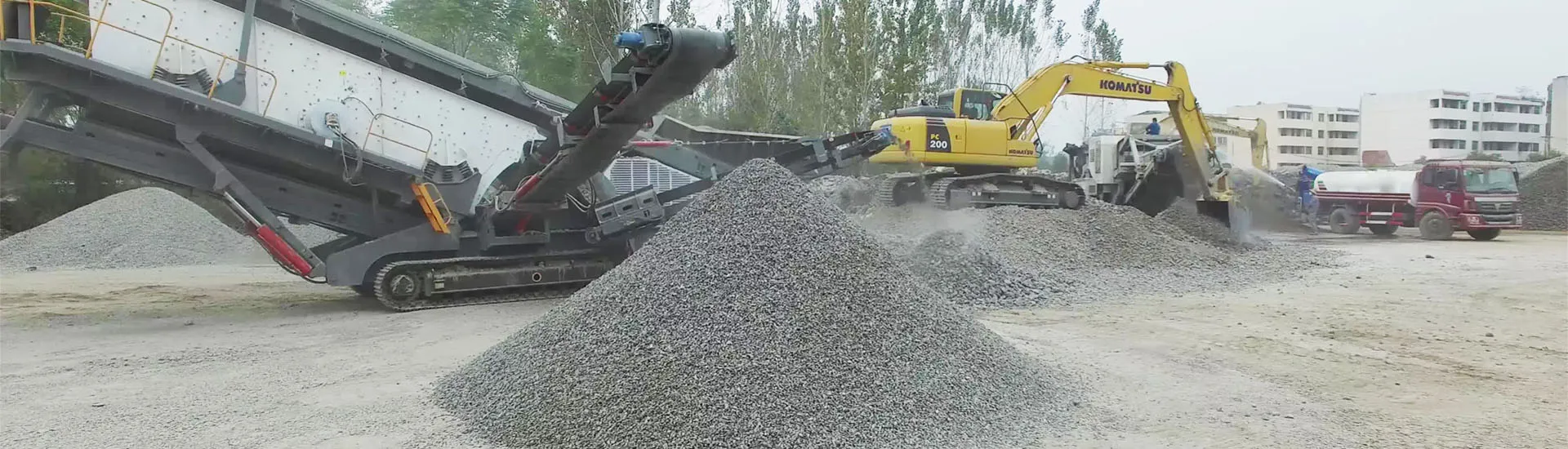
In high-tonnage mining and quarry crushing circuits, the primary jaw crusher is the frontline workhorse that determines overall plant uptime. Operating under unyielding shock loads with feed rock compressive strengths exceeding 200 to 300 MPa (such as granite, basalt, and iron ore), selecting between traditional welded box-frames and modern bolted-modular side plates has direct consequences on maintenance CAPEX and fatigue lifespan.

Structural Frame Design: Bolted-Pin vs Monolithic Welded Assemblies
Cyclic fatigue stresses concentrated around frame corners represent the most frequent cause of catastrophic frame failure in large primary crushers. Sanming Machinery heavy-duty jaw crushers incorporate high-tensile bolted and pinned side-plate assemblies rather than rigid welded boxes:
Elimination of Weld Residual Stresses: Welded frames require rigorous post-weld stress relief annealing; microscopic inclusions or heat-affected zone (HAZ) embrittlement can initiate fatigue micro-cracks under peak impact loads. Bolted assemblies eliminate thermal stresses entirely.
Modular Underground & Remote Transport: High-tensile tie-rods and machined alignment dowel pins allow the crusher frame to be completely knocked down into transportable modules, facilitating shaft descent in underground mines or transport across weight-restricted mountain roads.
High-Fatigue Cast Steel Front and Back Walls: Premium low-alloy cast steel front head and rear cross-members provide maximum rigidity, maintaining bearing concentricity during extreme eccentric throws.
Hydraulic Wedge vs Manual Shim Discharge Setting (CSS)
Traditional manual shimming requires operators to loosen spring-loaded tension rods, lift heavy steel shims with hoists, and expose maintenance crews to pinch-point hazards during frequent CSS adjustments as liners wear down. Sanming Machinery integrates hydraulic double-wedge adjustment:
Two-Minute Push-Button Setting: Dual high-pressure hydraulic cylinders shift hardened alloy wedges horizontally, altering the closed-side setting across a 50–250 mm range within minutes without unbolting tension rods.
Automated Tramp Iron Relief Integration: Integrated pressure transducers instantly detect uncrushable tramp metal, triggering a controlled hydraulic relief valve to expand the discharge gap and prevent pitman bearing destruction.
Wear Alloy Metallurgy: Mn18Cr2 vs Mn22Cr2 Jaw Die Economics
Liner wear constitutes the largest recurring operating cost (OPEX) in hard-rock primary crushing. Standard Mn13 austenite work-hardens adequately under severe impact, but in abrasive silica-rich ores, Sanming Machinery engineers specify high-carbon Mn18Cr2 and Mn22Cr2 modified austenitics. The 2.0–2.5% chromium addition retards thermal degradation during compressive friction, yielding 25% to 40% longer service intervals and preserving optimum chamber nip angles throughout liner life.
Frequently Asked Questions (FAQ)
When should an operation choose a bolted frame over a welded frame?
Bolted frames are mandatory for operations with rock compressive strength over 220 MPa, plants requiring 6,000+ continuous operating hours annually, or remote sites with transport weight limitations where knocked-down delivery is necessary.
How does hydraulic wedge adjustment improve crushing efficiency?
By enabling quick daily micro-adjustments to compensate for liner wear, the crusher consistently maintains its target CSS, ensuring balanced feed gradation to secondary cone crushers and eliminating downstream bottlenecking.
What is the recommended replacement threshold for jaw die wear?
Liner sets should be rotated or replaced when teeth profiles are worn down by 65–70%, or when the corrugated valley depth diminishes to less than 15 mm, to avoid excessive power spikes and pitman overload.