 English
 Russian
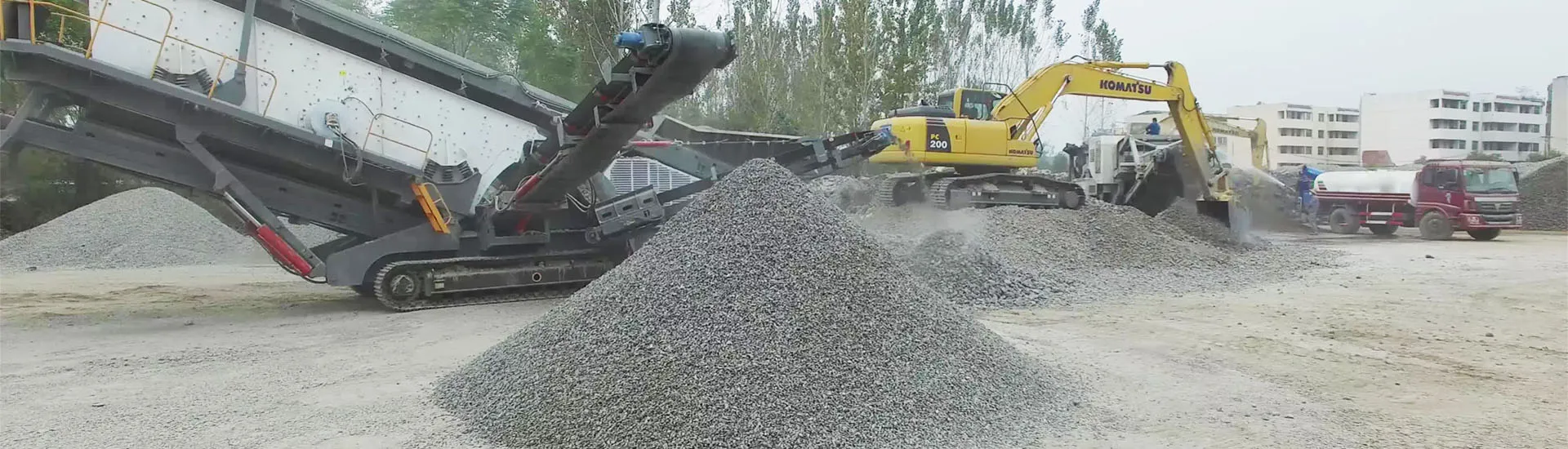
For quarry operators in Johannesburg and regional sites across Gauteng, maintaining continuous throughput requires reliable primary and secondary reduction machinery. Heavy rock processing—whether for aggregate production, gold washing, or coal processing—places extreme mechanical stress on mechanical components. Unplanned downtime, driven by rock blockages and rapid liner wear, directly reduces hourly revenue.
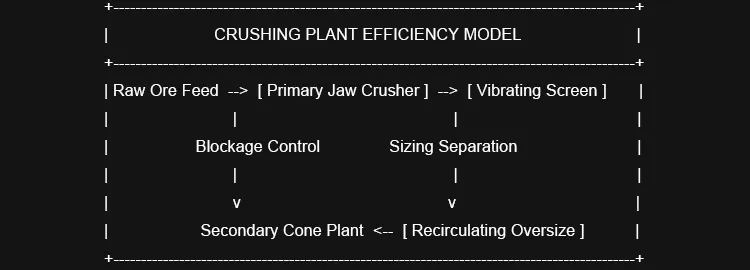
Understanding Primary Reduction SystemsA jaw crusher functions as the foundational primary unit in hard rock quarries. By applying compressive force between a fixed die and a moving jaw plate, the machine reduces run-of-mine ore into a manageable size fraction for downstream processing.Core Definitions & Operational MetricsToggle Plate Function: A mechanical safety element designed to shear under uncrushable tramp metal, protecting the pitman and eccentric shaft.Reduction Ratio: The ratio of feed size to product size, typically ranging between 4:1 and 6:1 in heavy-duty primary units.Crushing Cavity Geometry: The angle between the fixed and moving jaw dies, calibrated to prevent material slippage during compression cycles.In primary aggregate plants, clearing manual blockages in crushers remains a primary cause of lost operating hours. High-moisture clays or oversized granite boulders frequently bridge the receiving hopper. Utilizing hydraulic jaw adjustment systems reduces clearance downtime from hours to minutes, preserving throughput in demanding environments.
Heavy Duty Crushing Plants for South African Geology
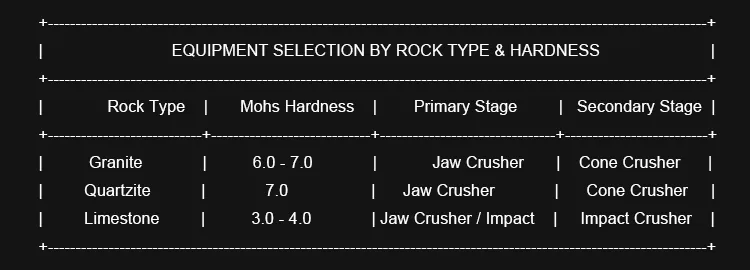
Selecting appropriate Quarry Equipment for gold mining or coal processing in South Africa requires matching the crushing technique to rock abrasiveness.
Deploying a mobile Crusher Plant allows site operators to process aggregate directly at the pit face, eliminating raw haulage expenses. When integrated with high-performance vibrating screens, mobile units provide clean aggregate cuts for commercial supply in the Gauteng province.
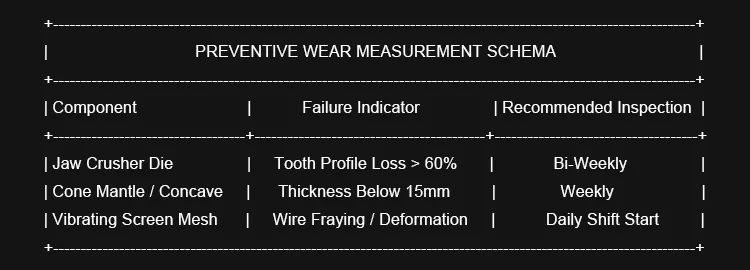
To ensure long-term profitability, operators must maintain an inventory of manganese wear parts, including jaw plates, concaves, and mantles. High-manganese alloys work-harden under impact, extending component life under high-stress conditions.
FAQ Section: Aggregate & Mining Operations in South Africa
Q1: How can operators resolve blockages in crushers safely at Johannesburg quarry sites?
A: Mechanical blockages in crushers are resolved by halting the feed, engaging hydraulic jaw relief mechanisms to widen the discharge setting, and utilizing hydraulic rock breakers to clear bridged boulders safely without manual clearing.
Q2: What are the primary factors influencing crusher wear parts consumption in Gauteng?
A: Wear rates depend on rock abrasiveness (silica content), feed gradation, moisture levels, and liner manganese content (14%, 18%, or 22%). Regular gap adjustments distribute wear evenly across manganese plates.
Q3: Where can quarry operators source dependable Quarry Equipment and Crusher Plant systems in South Africa?
A: Industrial suppliers like Sanming Machinery provide heavy-duty jaw crushers, cone units, vibrating screens, and genuine wear parts tailored for aggregate, coal, and gold processing operations across South Africa.