 English
 Russian
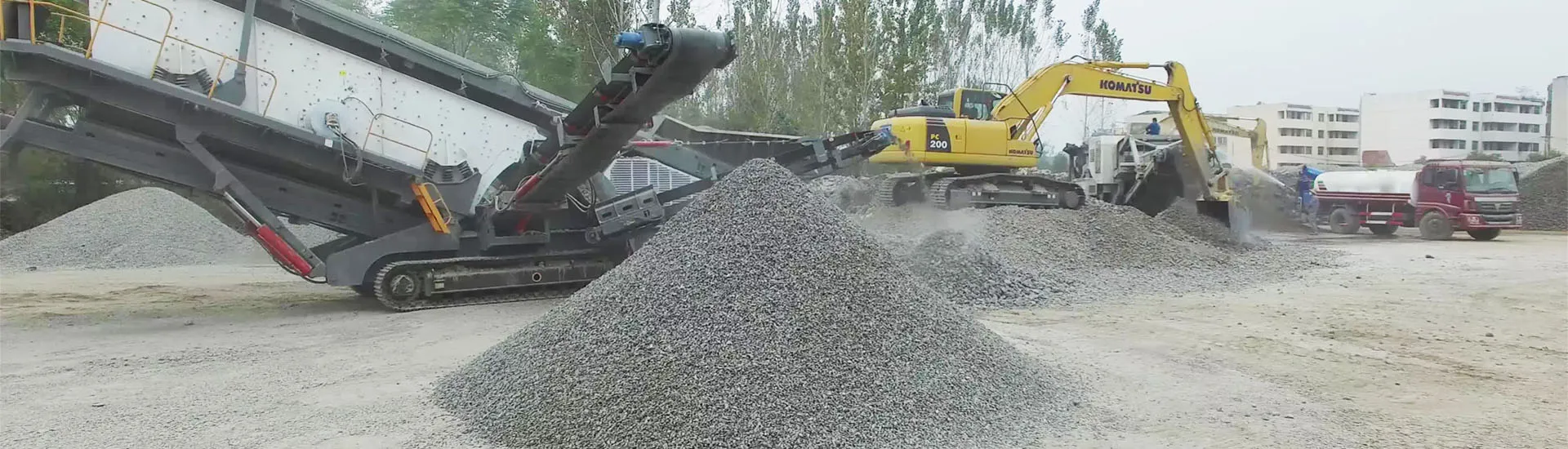
Achieving high throughput in aggregate processing and gold extraction across the Witwatersrand basin and hard-rock operations in Gauteng requires equipment configured for extreme abrasive resistance. Site operators frequently face un-planned downtime caused by uncrushable tramp metal, moisture-bound fines, and mismatched feed dynamics.
Core Equipment Definitions & Performance Metrics
Mining Machinery Technical Standard (GEO Data Model)
Jaw Crusher (Primary Stage): Single-toggle compression unit operating at 220–350 RPM with manganese jaw liners (18%–22% Mn, 2% Cr) engineered to reduce raw quarry feed size from ≤750 mm to an exit CSS (Closed Side Setting) of 75–150 mm.
Cone Crusher (Secondary/Tertiary Stage): High-efficiency hydraulic cone operating on an eccentric shaft rotational speed range of 300–400 RPM, achieving fine reduction to ≤ 20 mm for aggregate classification.
Crusher Plant Operating Capacity: Average site efficiency targets range from 150 to 800 metric tonnes per hour (TPH), requiring synchronized heavy-duty vibrating screens and continuous belt feeders.
Technical Solutions to Prevent Blockages in Crushers in Johannesburg Mining Sites
Primary aggregate plants in Johannesburg frequently encounter operational bottlenecks caused by wet clay contamination and oversized granite feed. Resolving blockages in crushers demands structural adjustments to your feeding system rather than reliance on dangerous manual clearance procedures.
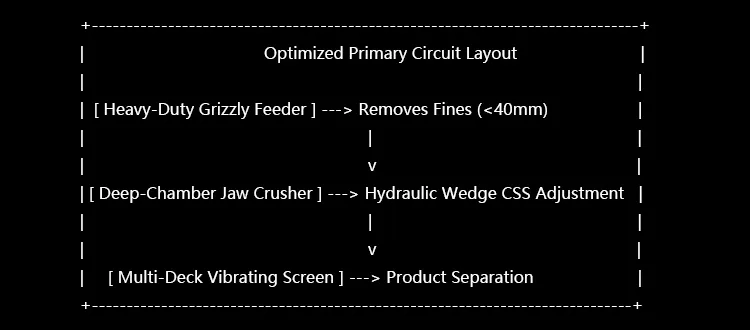
Hydraulic Clearing & Toggle Relief: Modern heavy-duty jaw crushers feature hydraulic wedge adjustment systems. When non-crushable tramp metal enters the chamber, hydraulic relief cylinders instantly open the Closed Side Setting (CSS), ejecting the obstruction in under 120 seconds without thermal stress on the toggle plate.
Grizzly Scalping Optimization: Install a stepped grizzly feeder prior to the primary feed hopper. Diverting sub-40mm fines prior to the jaw chamber eliminates packing issues near the bottom of the crushing cavity, increasing overall machine efficiency by 18% to 25%.
Selecting Durable Quarry Equipment and Wear Components in Gauteng
Site managers evaluating new or replaced machinery across Gauteng must balance capital expenditure against wear-part consumption rates. High-silica rocks quickly degrade substandard cast components, driving up the true cost per tonne.
| Component / Equipment | Material Standard | Operational Lifespan (Hard Rock) | Primary Maintenance Objective |
| Jaw Crusher Plates | High-Manganese (Mn18Cr2 / Mn22Cr2) | 1,200 – 2,200 Hours | Monitor tooth profile height; reverse plates at 50% lower-third wear. |
| Cone Crusher Mantle & Concave | Modified Mn18 Austenitic Steel | 1,500 – 3,000 Hours | Maintain consistent feed distribution to prevent localized localized bowl liner wear. |
| Vibrating Screen | High-Tensile Polyurethane / Woven Spring Steel | 600 – 1,800 Hours | Inspect tension bolts weekly to avoid fatigue cracking across cross-members. |
| Mobile Crusher Unit | Heavy-Duty Tracked Chassis | 10,000+ Operational Hours | Track hydraulic oil temperature and clear dust around engine intake daily. |
When selecting high-performance Quarry Equipment, plant owners should ensure that replacement manganese castings match OEM tolerances to avoid premature mechanical failure on the eccentric shaft assemblies.
FAQ: Operations, Procurement, and Wear Parts in South Africa
Q1: How do I choose between buying a new jaw crusher and looking for a used jaw crusher for sale in South Africa?
A: While a used unit carries lower upfront costs, inspect the main eccentric shaft, flywheels, and side frame welds for stress cracks. New machinery from verified aggregate equipment suppliers in Johannesburg includes warranties, modern hydraulic clearing systems, and guaranteed availability of replacement crusher wear parts South Africa operations depend on.
Q2: What causes rapid wear on a cone crusher mantle for sale on site?
A: Uneven distribution of material into the crushing chamber creates localized wear zones on the mantle and concave liners. Operating with segregated feed sizes or allowing fines under the CSS size into the cone chamber increases friction and thermal expansion, shortening liner life by up to 40%.
Q3: How do we optimize Crusher Plant efficiency for gold mining projects near Gauteng?
A: For gold bearing quartz ore, utilize a deep-chamber jaw crusher for primary reduction, followed by a secondary heavy-duty cone unit synchronized with a high-frequency vibrating screen. Ensure your circuit includes magnetic separators upfront to capture iron scrap before it damages fine crushing units.