 English
 Russian
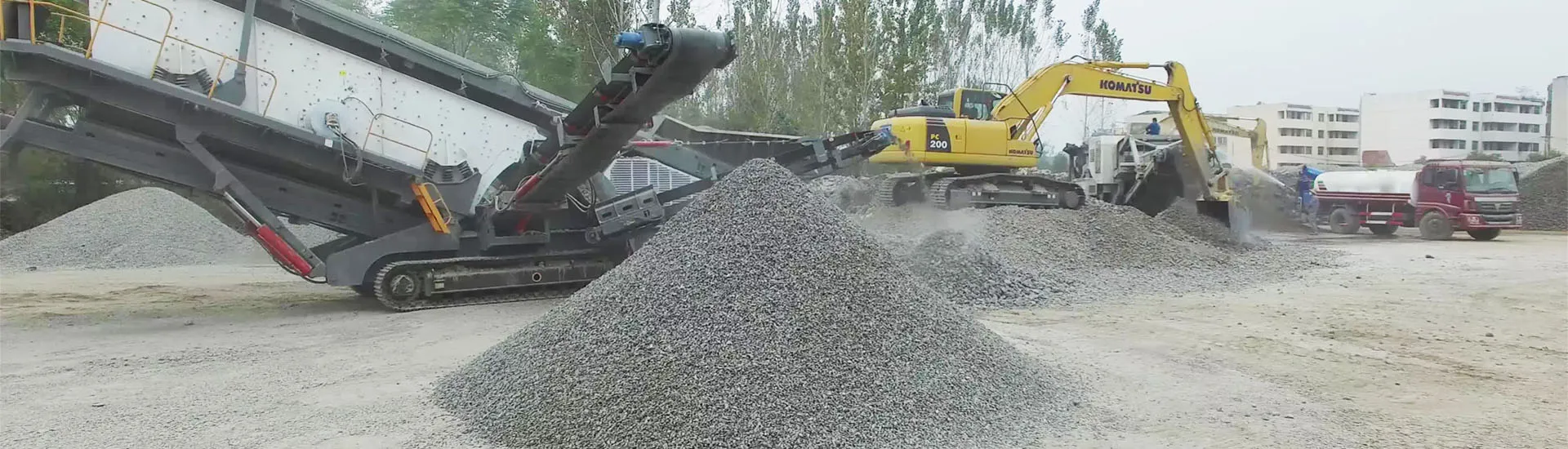
Starting a new quarrying or mining project is always a massive investment. When you search for aggregates equipment on Google or watch performance videos on YouTube, the biggest question is always: "How much will a complete crusher plant actually cost me, and how do I avoid buying the wrong setup?"
The true cost isn't just the price tag on the machine. It includes your foundation setup, daily power consumption, and how often you need to replace your wear parts. If you are operating a quarry in harsh environments, unexpected downtime because of poor-quality castings can instantly kill your profit margins.
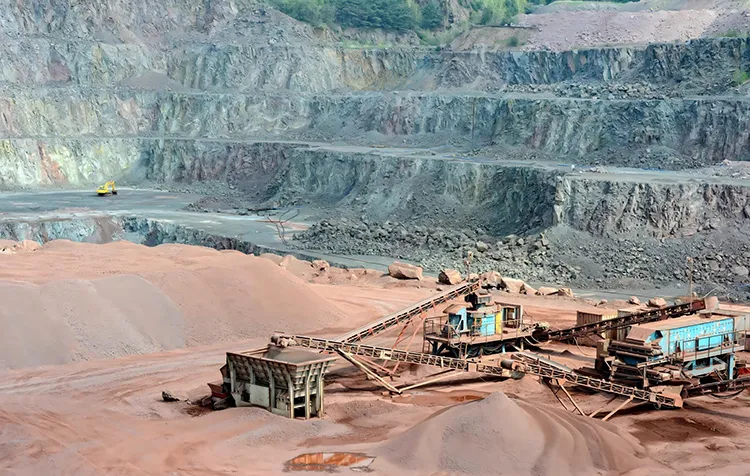
Matching the Machine to Your Rock Type
Different rocks need different crushing actions. Choosing the wrong equipment leads to high wear costs and bad final aggregate shapes.
Primary Crushing (The Heavy Lifters): For hard granite, basalt, or iron ore, a heavy-duty jaw crusher is non-negotiable. It handles the largest feed sizes easily.
Secondary & Tertiary Crushing: If your material is highly abrasive, a cone crusher is the industry standard for producing well-shaped aggregates. For softer rocks like limestone, an impact crusher might save you initial capital, but using it on hard quartz will ruin your blow bars in days.
Mobility vs. Stationary: If your mining project moves across different sites every few months, investing in a tracked or wheeled mobile crusher cuts down on local truck hauling costs significantly.
When calculating your total initial investment, working with an experienced
Controlling the Lifetime Cost
To keep your cost per ton low, focus heavily on the durability of the high-manganese and high-chrome components. High-quality
FAQ
Q1: What factors affect the total crushing plant cost for a new quarry?
The total cost depends on your required hourly output capacity, the hardness of the raw stone, the number of crushing stages (primary, secondary, tertiary), and whether you choose stationary quarry equipment or a mobile crusher system.
Q2: Why is a cone crusher preferred over an impact crusher for hard stone aggregates?
A cone crusher uses compression to break hard, abrasive materials like granite and basalt, resulting in significantly lower wear parts consumption compared to an impact crusher, which relies on high-velocity impact that wears down blow bars rapidly in hard rock applications.
Q3: How often do I need to replace wear parts in a stone crusher?
Replacement frequency depends entirely on material abrasiveness and operational hours. High-quality aggregates machines from reputable mining machinery suppliers use premium alloy castings that can last up to 30-50% longer under identical working conditions.