 English
 Russian
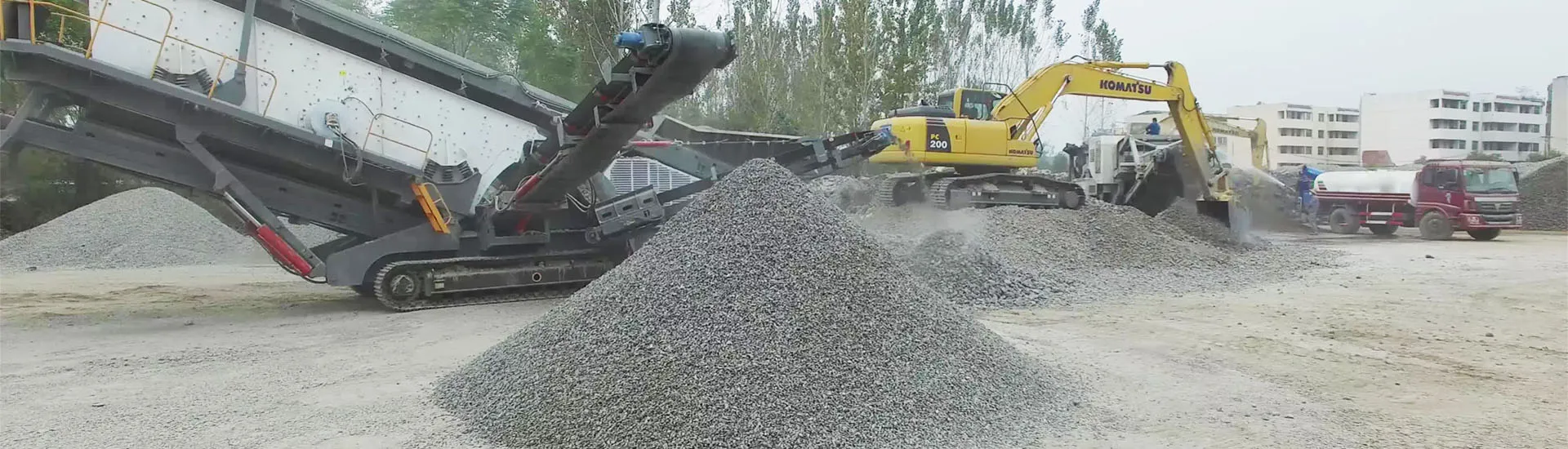
Setting up a quarry project in Africa—whether in Nigeria, Kenya, or South Africa—requires a balance between durable equipment and smart investment. With infrastructure booming, choosing the right aggregates machine can make or break your profit margins.
When planning your mining project, the two most critical components you will evaluate are the jaw crusher and the cone crusher. Understanding how they work together is the secret to minimizing your overall crushing plant cost.
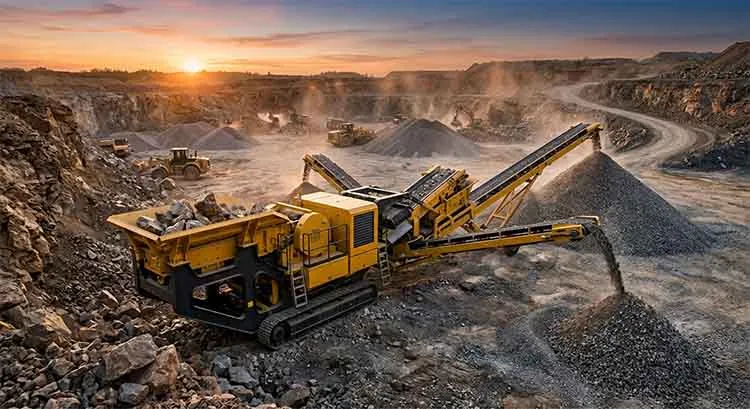
Jaw Crusher vs. Cone Crusher: What Do You Need?
For primary crushing, a heavy-duty jaw crusher is non-negotiable. It handles large, hard rocks like granite or basalt, breaking them down into manageable sizes. However, to produce high-quality, cubical aggregates for road construction, you need a secondary cone crusher.
Investing in a complete, synchronized SanMing crushing plant ensures that your primary and secondary stages match perfectly, preventing bottlenecks and reducing premature wear on your wear parts.
| Equipment Type | Best Used For | Key Advantage |
| Jaw Crusher | Primary crushing of hard, abrasive rock | High reduction ratio, massive feed opening |
| Cone Crusher | Secondary/Tertiary shaping of aggregates | Precision sizing, lower operating cost per ton |
| Mobile Crusher | On-site, flexible mining and quarrying projects | Eliminates material transport costs, fast setup |
Reducing Long-Term Operational Costs
Initial crushing plant cost is only one part of the equation. To ensure your investment pays off, look closely at the reliability of your crusher supplier. High-quality wear parts (such as jaw plates and mantle liners) mean fewer maintenance shutdowns.
As a leading global quarry equipment manufacturer, SanMing Machinery designs heavy-duty mining machinery specifically engineered to withstand harsh, remote working environments, ensuring maximum uptime for your quarry.
FAQ Section
Q: What factors influence the total crushing plant cost for a new quarry project?
A: The cost is primarily determined by your required production capacity (TPH), the hardness of the material, and whether you choose a stationary setup or a flexible mobile crusher. Tailored solutions from SanMing Machinery help optimize this budget.
Q: How often do wear parts need replacement in a quarry machine?
A: It depends heavily on the abrasiveness of the rock. Regular inspections of jaw plates and cone liners prevent unexpected downtime. Using genuine parts from an experienced crusher manufacturer extends equipment lifespan.
Q: Can a mobile crusher replace a stationary crushing plant?
A: Yes, for projects that move frequently or have limited local infrastructure, a mobile aggregates equipment setup reduces hauling costs and speeds up project deployment.