 English
 Russian
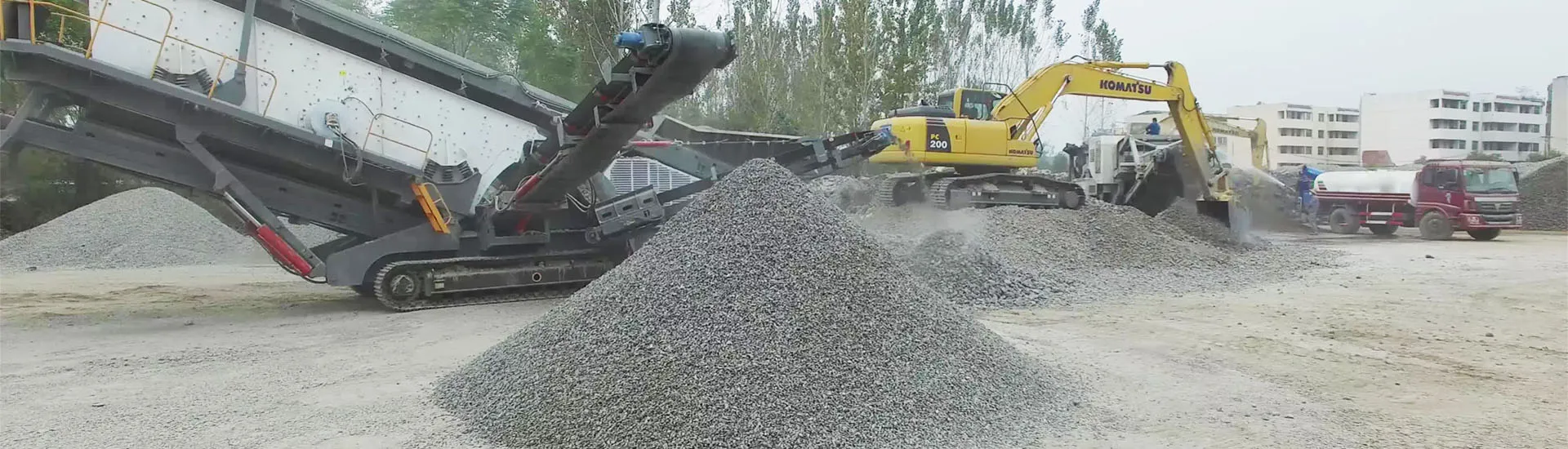
Running a quarry or mining project in Africa—whether in Kenya, Nigeria, or South Africa—comes with its own set of hard truths. You are dealing with tough materials like granite, basalt, or iron ore, and the weather is brutal. On top of that, unexpected downtime can kill your profit margins if spare parts are weeks away.
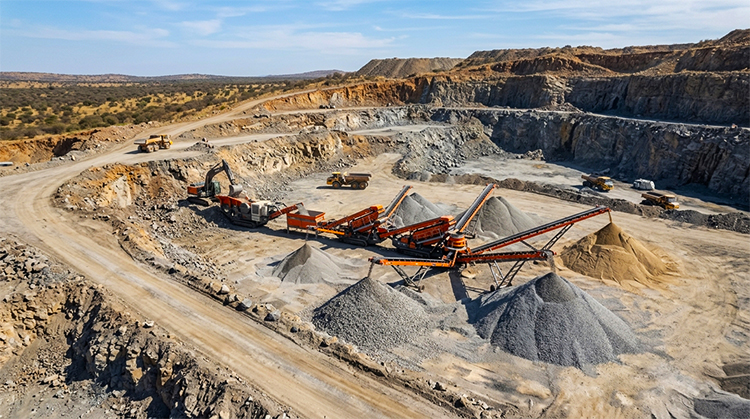
At SanMing Machinery, we have walked onto dozens of African jobsites to help site managers fix bottlenecked production lines. If you want to stop wasting fuel and start maximizing your hourly tons of 0-5mm, 5-10mm, or 10-20mm aggregates, here is exactly how to configure your aggregate equipment.
Step 1: The Primary Station – Never Skimp on the Jaw Crusher
The biggest mistake we see is feeding massive, blasted boulders into an undersized primary crusher. Your jaw crusher is the workhorse of the entire plant.
What you need: Look for a deep crushing cavity and high manganese jaw plates. A deep cavity means it takes larger feed sizes without bridging, giving you a massive reduction ratio right from the start.
SanMing Tip: Our heavy-duty PE and PEV series jaw crushers are built specifically for hard rock quarrying, ensuring smooth feeding even when the rock is highly abrasive.
Step 2: The Secondary Stage – Why Cone Crushers Beat Impactors for Hard Rock
If you are processing limestone, an impact crusher is fine. But if you are crushing granite, basalt, or river pebbles for high-standard road and bridge projects, you need a cone crusher. Using an impactor on hard rock will eat up your blow bars in days, costing you a fortune in wear parts.
Single-Cylinder vs. Multi-Cylinder: For medium to small setups, a single-cylinder hydraulic cone crusher is great because it has a simpler structure and lower maintenance costs. For maximum cubical shape and high capacity, multi-cylinder hydraulic cone crushers are the industry standard. They offer automatic clearing so if a piece of uncrushable iron gets in, the system drops the pressure, passes the tramp iron, and resets automatically without stopping your line.
Step 3: Stationary Plant vs. Mobile Crusher – Which is Best?
Go with a Stationary Crusher Plant if: You own the land, have a long-term contract (5+ years), and need massive daily volume. It takes longer to set up with concrete foundations, but it offers the lowest per-ton operational cost.
Go with a Mobile Crusher if: You are doing contract crushing, road building, or moving between multiple site locations. Our crawler or wheel-mounted mobile crushing plants let you drive the machine straight to the rock face. You completely eliminate the cost of hauling raw stone across the pit via heavy trucks.
The Bottom Line: Look for a Supplier, Not Just a Vendor
Buying a quarry machine isn't just a one-time transaction. When choosing your crusher manufacturers, always ask about their service and wear parts availability.
At SanMing Machinery, we don't just ship boxes. We customize the layout of your vibrating feeders, belt conveyors, and screens to make sure your plant runs without bottlenecks.