English
 Russian
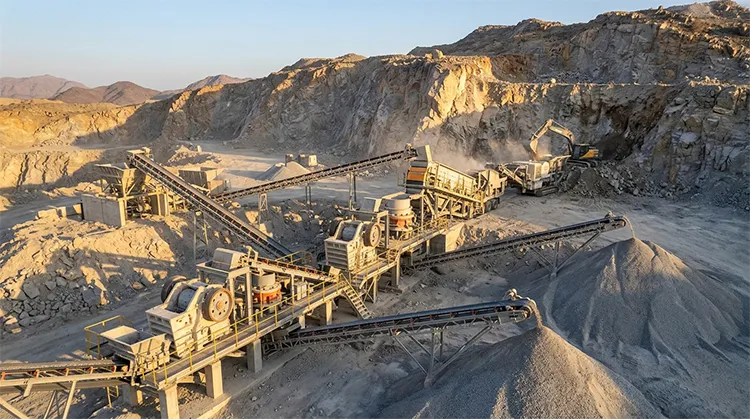
In the quarrying and mining industries, selecting the right stone crusher isn't just about breaking rocks—it’s about optimizing your cost per ton. With energy costs fluctuating and demand for aggregates rising, your choice of crushing equipment directly impacts your bottom line.
At Sanming Machinery, we help operators worldwide design highly efficient crushing plants. To get the highest Return on Investment (ROI), you need to match your machinery to your material's specific characteristics.
1. Understand Your Material Hardness and Abrasiveness
Not all stones are created equal. Feeding the wrong material into a crusher leads to premature wear and costly downtime.
Hard & Abrasive Rocks (Granite, Basalt, Quartzite): These require compressive crushing. A Jaw Crusher is ideal for primary crushing, followed by a Cone Crusher for secondary processing.
Medium-Hard & Non-Abrasive Rocks (Limestone, Dolomite): These are best handled by an Impact Crusher, which uses striking force to deliver excellent cubical product shape at a lower operating cost.
2. Primary vs. Secondary Crushing Stages
Achieving your desired final aggregate size usually requires a multi-stage process:
Primary Stage: The Jaw Crusher remains the undisputed king of the primary stage. It accepts large feed sizes and reduces them to a manageable scale for the next step.
Secondary/Tertiary Stage: For hard materials, a Hydraulic Cone Crusher provides precise size control and low wear. For softer materials, Impact Crushers or VSI (Vertical Shaft Impact) Crushers ensure perfect shaping for high-grade concrete sand.
Pro Tip from Sanming Engineers: Always calculate your reduction ratio (the ratio of the feed size to the product size). Trying to force a crusher to do too much reduction in a single stage will drastically increase your electricity bill and wear-part consumption.
3. Stationary vs. Mobile Crushing Plants
Are you operating a long-term quarry, or do you move from project to project?
Stationary Plants: Best for high-capacity, long-term operations where infrastructure can be permanently optimized.
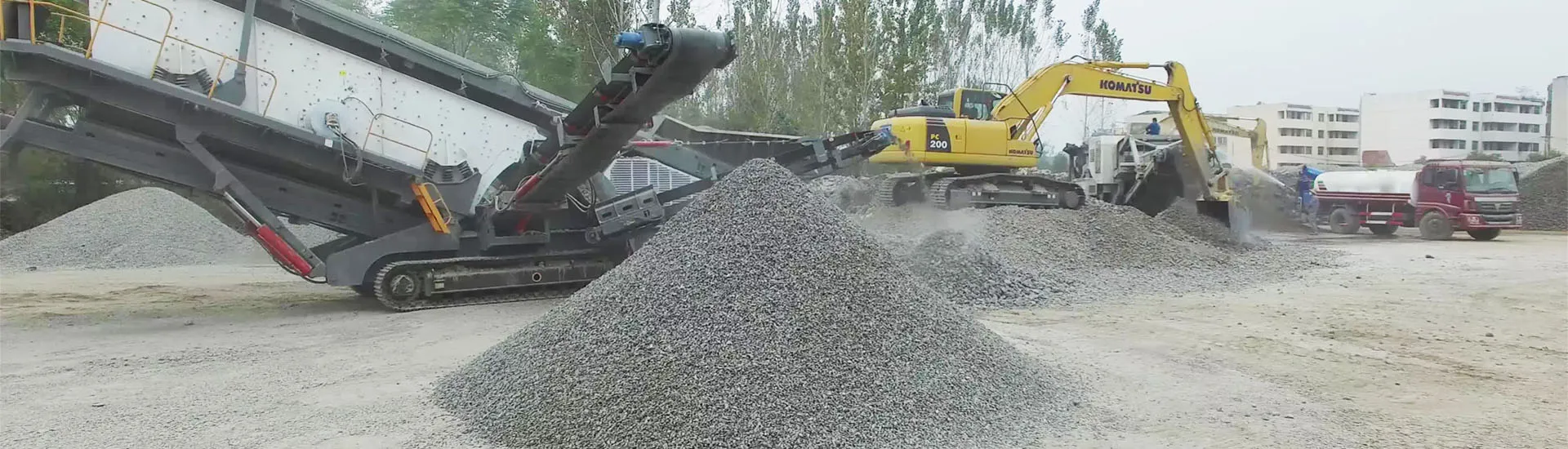
Mobile Crushing Plants: Ideal for road construction, recycling, and short-term mining sites. They eliminate the cost of hauling raw materials to a central location.
Conclusion
Investing in a stone crusher is a long-term commitment. By analyzing your material, defining your capacity goals, and configuring the right multi-stage crushing line, you can significantly reduce maintenance costs and boost your profit margins.