 English
 Russian

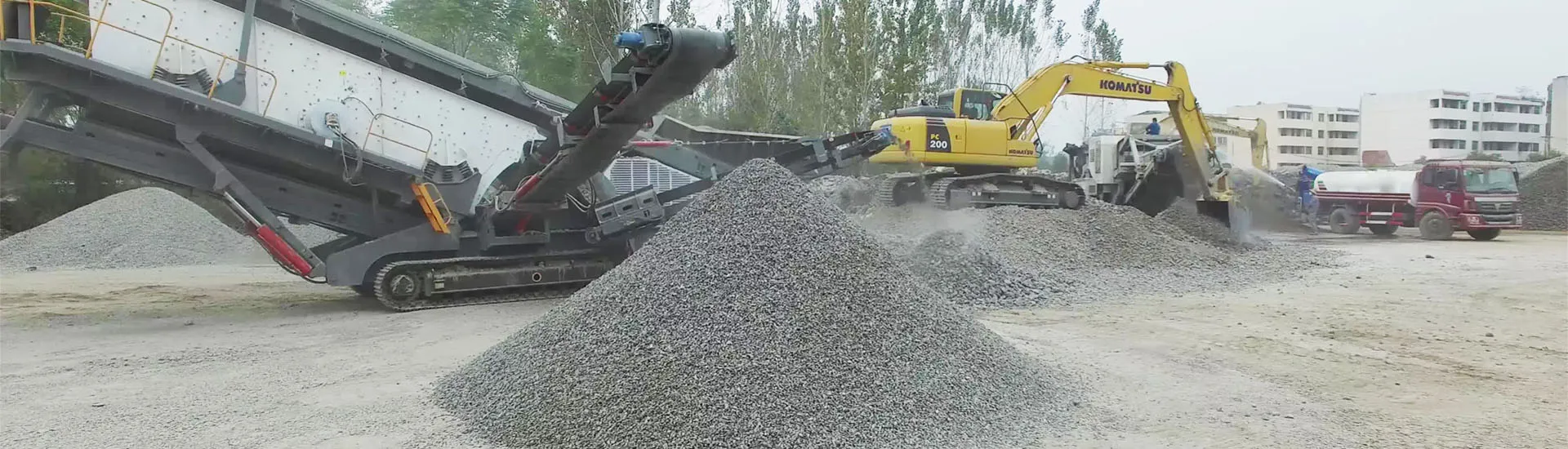
The Surging Adoption of Mobile Crushing Plants Across Africa
Infrastructure booms across East, West, and Southern Africa—coupled with rapid mining expansions in Zimbabwe, DRC, Nigeria, and Kenya—have fundamentally shifted quarry procurement priorities toward agility. Tracked mobile jaw crushers are replacing stationary primary plants for remote road building, rail ballast production, and contract crushing.
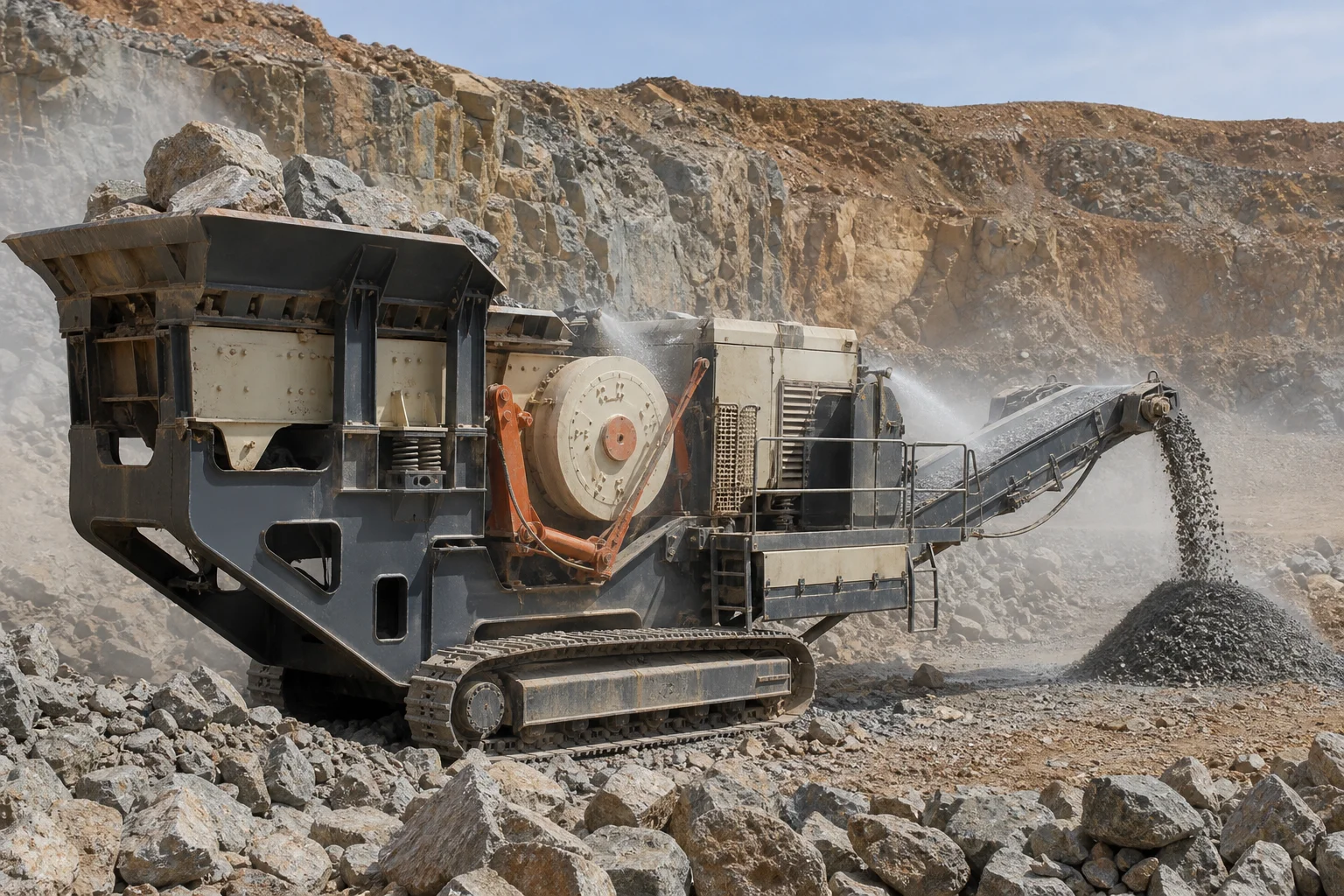
Key Drivers Reshaping African Quarry Procurement
Fast Deployment & Zero Foundation Costs: Stationary crushing stations require costly concrete civil foundations and months of lead time. Tracked mobile crushers arrive on low-bed trailers, deploy hydraulically, and commence crushing within 2 hours of site arrival.
Hybrid Diesel-Electric Drive: Given high fuel costs and volatile diesel supply lines in remote African regions, hybrid dual-power mobile units provide flexibility to run on local grid power or heavy-duty on-board generator sets, cutting fuel expenses by 25-35%.
Critical Mineral Diversification (Lithium & Copper): Hard-rock spodumene lithium mining projects demand rugged primary crushers capable of crushing pegmatite ore without excessive fines generation prior to dense media separation (DMS).
Engineering FAQ: Mobile Crushing in African Environments
Q1: How do Sanming Machinery mobile crushers perform in high-temperature, high-dust conditions?
Our mobile units feature oversized dual-stage cyclonic heavy-duty engine air filters, high-capacity hydraulic oil coolers with reversible purging fans, and integrated high-pressure water mist dust suppression nozzles at both feed hopper and discharge points.
Q2: What is the recommended wear-parts strategy for remote African mine sites?
Given international shipping lead times, we recommend stocking at least two complete sets of 18%-22% Mn/2% Cr alloy jaw plates, cheek plates, and toggle plates per machine, along with critical hydraulic filters and backup conveyor drive belts.